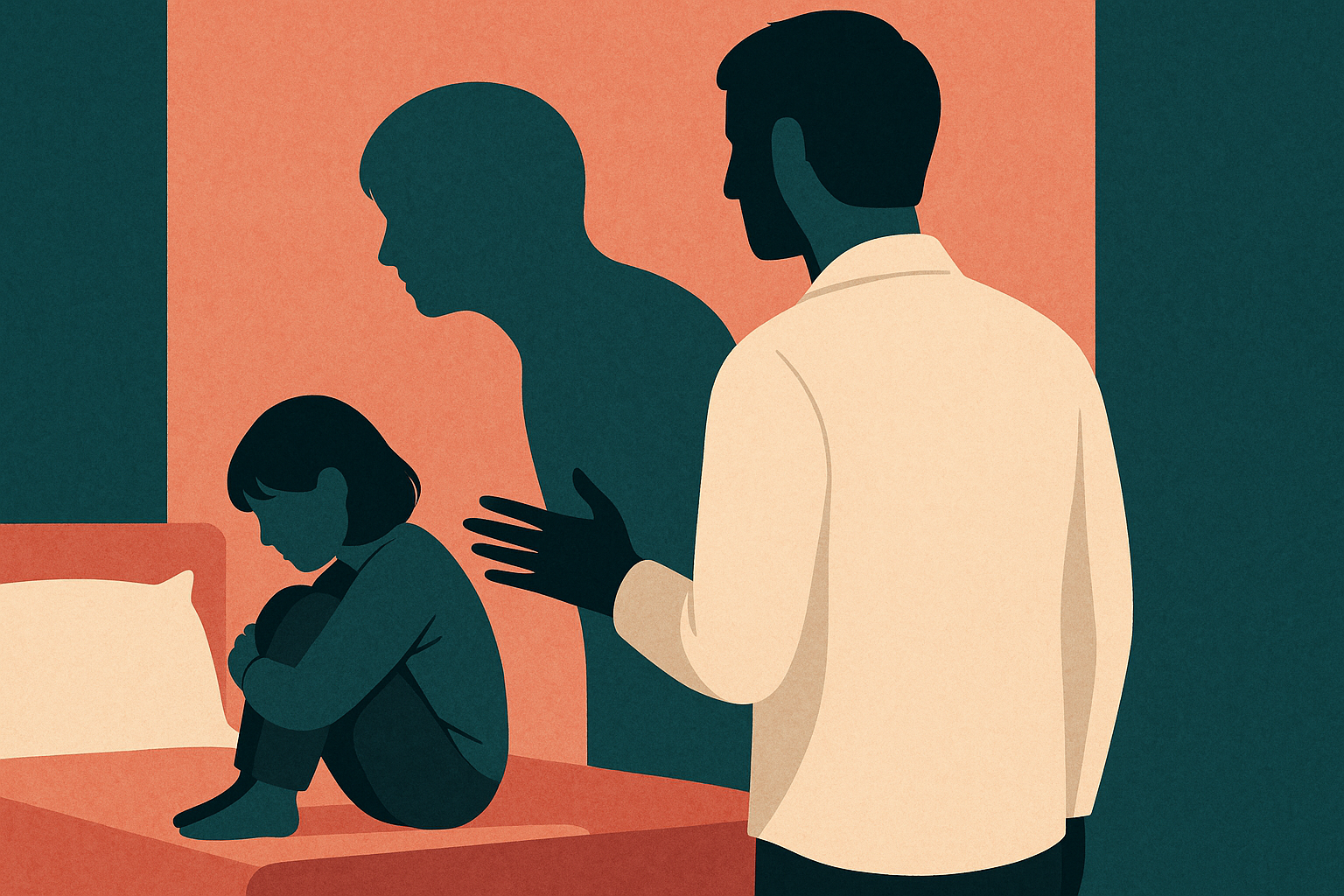
Ways Good Parents Can Unintentionally Hurt Their Children
Explore ways good parents might unknowingly cause stress or trauma in their children and learn how we can better support their emotional health.

Horizon by Wellnest
Ways Good Parents Can Unintentionally Hurt Their Children
Summary of Issue
Sometimes, despite our best intentions, we notice our children acting withdrawn or unusually anxious. They might seem distant or overly cautious, and it’s confusing because we’ve always tried to do right by them. We might catch ourselves wondering if something we’re doing—or not doing—is causing them stress without us realizing it. It’s not always about big, obvious events; sometimes, the quiet moments or the ways we try to protect them can leave a mark they don’t quite know how to express. These subtle shifts in behavior can feel like a puzzle, making us question how our love and care might sometimes miss the mark. We often don’t see the ways good parents inadvertently shape their kids’ emotional world until those small signs pile up, and that can be really tough to face. It’s a lot to hold, but noticing these clues is where understanding begins. Why does our child seem distant or overly cautious lately?
Why This Matters
What are we often getting wrong about our child’s behavior?
Sometimes, we think our kids are just being difficult or lazy when they pull away or act fearful. We might push harder for better grades or more socializing, believing that’s the fix. But honestly, our children might be trying to tell us something deeper—like feeling overwhelmed or unsure if they’re safe to express themselves. We might miss that our “good intentions” add pressure instead of relief. It’s not about blame. We’re all learning how to listen better and meet their real needs. Have we noticed how our reactions shape their feelings?
Mental Health Implications of Ways Good Parents Miss the Signs
How might our parenting affect our child’s mental health without us realizing?
Sometimes, the ways we try to protect or guide our kids can leave them feeling anxious or unsure inside. When children sense that their feelings aren’t fully heard or that mistakes aren’t allowed, they might start to worry more or feel sad. The numbers tell us something worth paying attention to: nearly 20% of teens report feeling so down they struggle with daily life, according to CDC Youth Risk Behavior Survey data. That’s a lot of young minds carrying heavy loads. We might not see it right away, but these hidden stresses can shape how our children handle challenges later. Our awareness of these mental health signs helps us offer the support they truly need.
Professional Insight on Ways Good Parents Can Reconnect
Let’s slow down and really listen when our child talks, even if it’s just a quick sentence or a sigh. We don’t need to fix everything right away—sometimes just hearing them out lowers their guard.
Try setting up a calm routine that feels predictable but flexible. Kids feel safer when they know what’s coming next, but we don’t want it to feel like a strict drill. A little wiggle room helps them relax.
When our child struggles with school or friendships, let’s ask gentle questions instead of pushing for answers or solutions. We can say, “What felt hard today?” instead of “Why didn’t you finish your homework?”
Show our feelings too. If we’re upset or worried, naming those emotions helps kids see it’s okay to feel big things. It also models healthy ways to handle stress.
If we notice our child pulling back, invite them to do something simple together—drawing, walking, or playing a game. No pressure to talk. Just sharing space can rebuild trust.
Repair after rough moments. If we snapped or rushed them, a short "I'm sorry, I should have listened first" teaches our child that relationships can bend without breaking.
When should we reach out for professional support?
If our child’s mood swings become more severe or last weeks, or if they refuse to go to school and avoid friends entirely, it’s time to get help. Also, if they talk about feeling hopeless or show risky behaviors, we shouldn’t wait. Contacting a child mental health professional early can guide us through these tough moments and offer tools that really fit our family’s needs.
How Horizon by Wellnest Can Help
Initial AssessmentClick here
When you reach out to Horizon by Wellnest, the first step is a thorough evaluation to understand your child's unique needs. We take time to listen carefully and gather insights from both you and your child. This helps us figure out the best approach without rushing into anything.
Tailored Therapy Plan
After the assessment, we design a therapy plan that fits your family’s situation. Whether it’s cognitive behavioral therapy or counseling, we focus on strategies that support your child’s emotional growth and resilience. We won’t push too hard but guide gently.
Parent Coaching & Support
We don’t just work with kids. Our parent coaching helps you understand what’s happening and how to respond in ways that feel natural and caring. We’re here to help you build stronger connections without added stress, and to gently surface the ways good parents can shift small habits for big emotional wins.
Follow-up Care
Ongoing check-ins keep us connected and allow adjustments as your child grows and changes.
Citations: Psychology Today (2026)
Internal Links
Take the Next Step
If you’ve noticed your child pulling away or acting differently, don’t wait to see if it passes. We’re here to listen and help figure out what’s going on. Call us this week, and we’ll set up a time to talk about your child’s feelings and experiences. Taking this step isn’t always easy, but it can open the door to healing. We want to support you both in finding healthier ways forward, so reach out when you’re ready.
Contact UsHorizon by Wellnest Clinical Content Team
Our editorial team is composed of licensed therapists, counsellors, and mental health advocates committed to making quality psychological knowledge accessible to every family.