Supporting Our Kids Through Apparent Mental Health Struggles
We notice when our child faces apparent mental health challenges. Learn how to recognize signs and support their well-being at home and school.

Horizon by Wellnest
Supporting Our Kids Through Apparent Mental Health Struggles
Summary of Issue
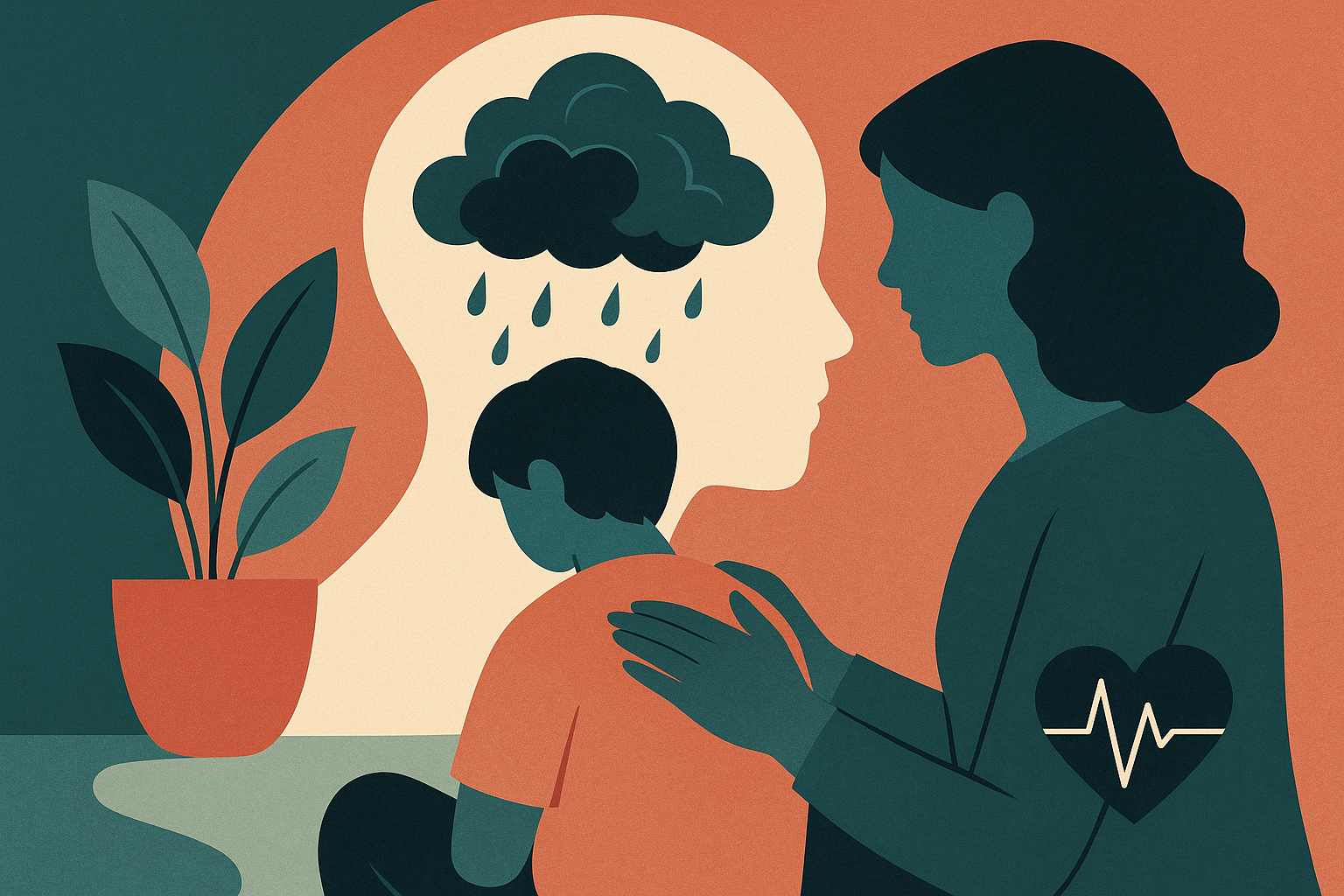
Sometimes, we notice our children acting in ways that just don’t seem like themselves. Maybe they’re more withdrawn or they’re experiencing emotional ups and downs—switching quickly from anger to sadness or confusion. These shifts can range from subtle to intense, but what’s tricky is that they often happen without a clear reason. When our child seems overwhelmed or disconnected, it’s easy to feel unsure about what’s going on beneath the surface. We might see behaviors that feel out of character, like sudden outbursts or trouble focusing, and wonder if something deeper is at play. These moments might hint at an apparent mental health struggle quietly unfolding. As parents, it’s natural to feel worried or helpless when our kids seem caught in a storm of feelings they can’t explain or control, leaving us searching for clues in their everyday actions. How can we tell when our child might be struggling inside? Sometimes, our kids show us signs that something feels off, even if they don’t say it out loud.
Why This Matters
What do we often get wrong about these struggles?
We sometimes think our child is just being difficult or lazy when their behavior changes. We might blame mood swings on attitude or assume they’re seeking attention. But often, what looks like defiance hides deeper feelings of confusion or pain. We might not realize that apparent mental challenges don’t show up as clear cries for help. Instead, they come through in small shifts we could easily overlook. It’s not about discipline or willpower. Our kids are wrestling with something inside that’s hard to name or explain—and we need to look beyond the surface.
Mental Health Implications
How might an apparent mental health crisis affect our children’s well-being?
When a child faces an apparent mental health challenge, it often changes how they feel and act every day. We might see them withdrawing from friends or losing interest in activities they once loved. Their sleep or appetite could shift, leaving them tired or restless. The CDC Youth Risk Behavior Survey tells us that about one in five teens struggles with feelings of sadness or hopelessness lasting weeks. That’s a big number. These feelings aren’t just “phases.” They can make school harder and strain family connections. We’re the ones who notice when our kids seem off balance. Catching these signs early helps us find ways to support their emotional health before things get tougher.
Professional Insight
- Try setting a calm, predictable daily routine. Kids often feel safer when they know what’s coming next. Keeping wake-up, meal, and bedtime times steady can really help.
- Listen without jumping to fix things. When our child talks, even if it’s just a grunt or a sigh, we’re showing we care. Sometimes just being there is enough.
- Break tasks into tiny chunks. If homework or chores seem too big, helping them tackle one small piece at a time makes it feel more manageable. Celebrate those little wins.
- Watch for changes in sleep or appetite. If our kid suddenly eats less or sleeps way more, it’s a clue something’s off. We can gently ask about it, no pressure.
- Encourage safe ways to express feelings. Drawing, journaling, or even quiet time with music can give them a way to share what’s inside without words.
When should we reach out for professional support?
If our child’s mood swings get intense or last for weeks, that’s a signal to act. Also, if they start talking about hurting themselves or others, we must get help right away. Sudden withdrawal, extreme fear, or confusion that won’t ease up means it’s time to connect with a mental health expert. Don’t wait until things feel out of control—early support often makes all the difference.
How Horizon by Wellnest Can Help
Initial AssessmentClick here
When we reach out to Horizon by Wellnest, the first step is a thorough assessment to understand our child’s unique needs. We take time to listen and observe, making sure we get a clear picture of what’s going on beneath the surface. This helps us figure out the best way to support our family.
Tailored Therapy PlanBook a Session
After that, we craft a therapy plan just for our child. Whether it’s counseling, cognitive-behavioral therapy, or other approaches, we focus on strategies that fit their situation. We don’t rush; instead, we move at a pace that feels right for our family.
Parent Coaching & SupportBook a Session
We know parents need support too. That’s why we offer coaching to help us understand what our child’s going through and how to respond in helpful ways. This guidance can make a big difference in our daily life.
Follow-up Care
Our work doesn’t stop after a few sessions. We’re committed to ongoing support to ensure our child continues to thrive.
Citations: KQED (2026)
Internal Links
Take the Next Step
If you’ve noticed signs that worry you or feel unsure about what’s happening with your child, don’t wait to reach out. We’re here to listen and help figure out what’s going on beneath the surface. Call us this week, and we’ll set up a time to talk through your concerns and plan the next steps. Our goal is to support your family with care and clarity as you navigate these challenging moments together. You’re not alone in this.
Contact UsHorizon by Wellnest Clinical Content Team
Our editorial team is composed of licensed therapists, counsellors, and mental health advocates committed to making quality psychological knowledge accessible to every family.
Disclaimer: This content is for educational purposes only