Supporting Our Children Through Mental Health Work Every Day
Our mental health work helps us notice subtle changes in our kids’ behavior and supports them before challenges grow. Let’s stay connected and aware.

Horizon by Wellnest
Supporting Our Children Through Mental Health Work Every Day
Summary of Issue
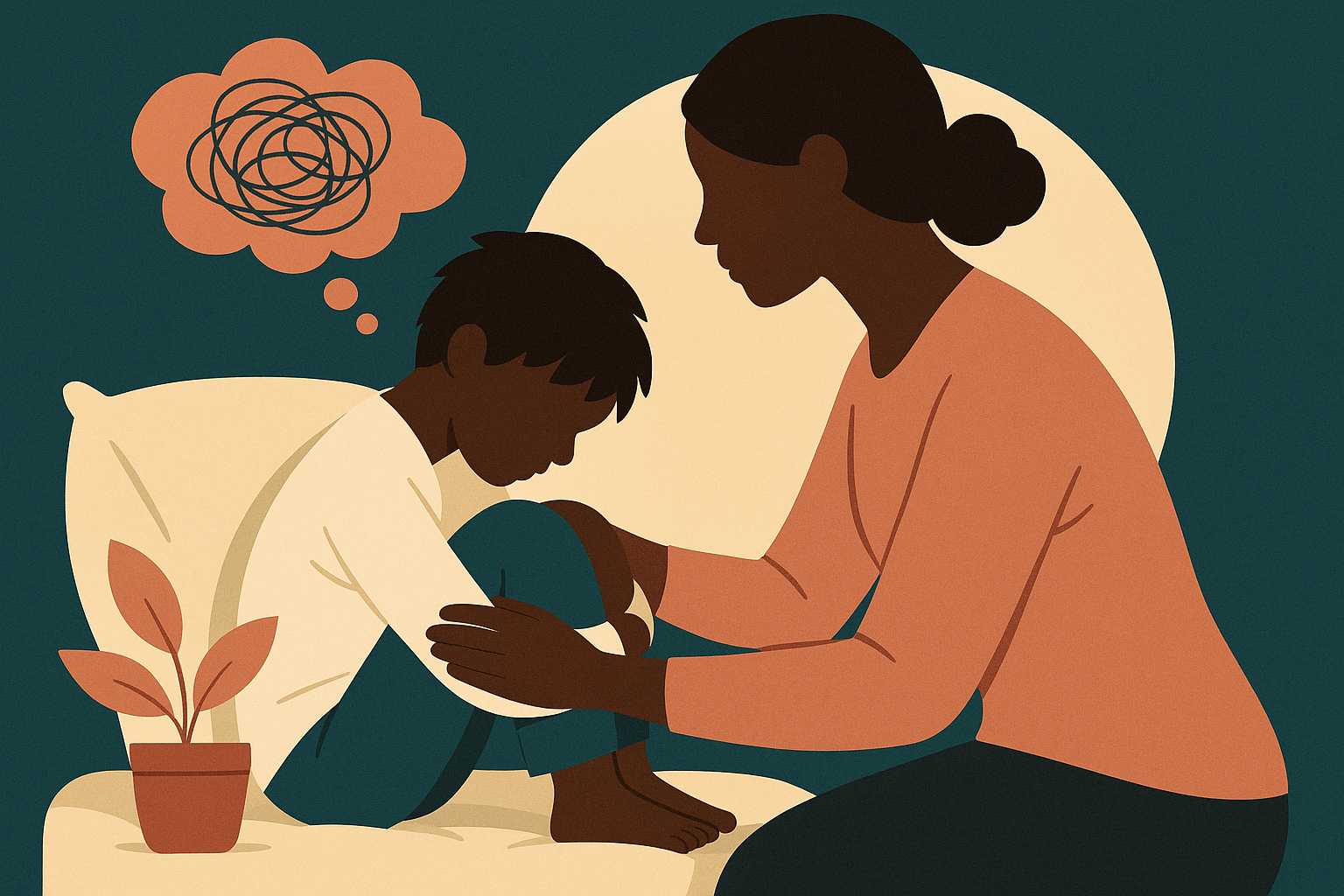
Sometimes, we notice our kids acting differently—maybe they seem quieter, less interested in things they used to enjoy, or more irritable than usual. These shifts might be small at first, like trouble sleeping or changes in appetite, but they can grow into bigger worries if we don’t pay attention. Our mental health work often shows that children might not always say what’s bothering them, so their behavior becomes a way to communicate distress. We might see withdrawn moments, sudden mood swings, or difficulty focusing on schoolwork. It’s not always clear why this happens, and that makes it tricky. When our children start pulling away or seem overwhelmed by everyday tasks, it’s a signal worth noticing. These signs don’t always mean something serious, but they remind us to stay connected with our kids as they navigate their feelings. Sound familiar?
Why might our kids act differently without telling us?
Sometimes, our children don’t use words to share what’s going on inside. Instead, their feelings show up in how they behave. We might notice them getting quieter, losing interest in things they used to love, or getting upset more easily. These changes can be signs that something feels overwhelming or confusing for them.
Why This Matters
What do we often get wrong about our children’s behavior?
We sometimes think mood swings or irritability are just “phases” or bad attitudes. We might blame laziness or stubbornness when our kids actually feel overwhelmed. Our mental health work shows us these behaviors often mask deeper feelings. Kids might not say they’re sad or anxious, so their actions speak for them instead. When we miss this, we risk pushing them away instead of offering support. It’s not about punishment. It’s about seeing what’s really going on beneath the surface.
Mental Health Implications
How does mental health work affect our children’s daily lives?
When kids struggle inside, it often shows up in ways we might not expect. They might have trouble focusing at school or seem more tired than usual. Some might pull away from friends or family, while others act out with anger or frustration. The numbers tell us something worth paying attention to: about 1 in 7 adolescents worldwide face mental health challenges. That’s a lot of kids trying to manage feelings they don’t fully understand. Our mental health work helps us spot these signs early, so we can support our children before these struggles affect their learning, friendships, or self-esteem. It’s about catching those small signals before they turn into bigger problems.
Professional Insight
- Try carving out a few minutes daily to check in with your child. No pressure, just open ears. Ask about their day or feelings without jumping to fix things right away.
- Notice patterns in behavior or mood shifts and jot them down. This helps us see what’s normal and what might need more attention.
- Keep routines steady where you can—meals, sleep, homework times. Kids feel safer when some things don’t change, even if other stuff feels shaky.
- Encourage small ways for your child to express themselves—drawing, journaling, or talking with a trusted adult. We want them to feel heard, not judged.
- Model calm and clear communication. When we stay steady, it gives our kids a chance to mirror that and feel less overwhelmed.
When should we reach out for professional support?
If your child’s mood or behavior changes last more than a few weeks or get worse, it’s time to ask for help. Signs like withdrawing completely, talking about hurting themselves, or big changes in eating and sleeping need attention. Don’t wait until things feel out of control—connecting with a counselor or mental health expert early can make a big difference for all of us.
How Horizon by Wellnest Can Help
Initial AssessmentClick here
When you first come to Horizon by Wellnest, we start with a thorough evaluation to understand your child's unique needs. This helps us figure out what’s going on beneath the surface and guides the next steps. We listen closely to your concerns and observe behaviors to get a clear picture before moving forward.
Tailored Therapy PlanBook a Session
After assessment, we design a therapy approach that fits your child’s situation. This might include counseling sessions or cognitive behavioral therapy (CBT), depending on what seems most helpful. Our goal is to work alongside your family, adjusting as we go, so the support feels just right.
Parent Coaching & SupportBook a Session
We don’t just focus on your child—we offer coaching to parents too. This helps you understand what your child is experiencing and how best to respond. We want you to feel confident and equipped, making the home environment a safe space for growth.
Follow-up Care
Mental health work isn’t a one-off thing. Regular check-ins and adjustments help us ensure that your child continues to feel supported as they grow and change.
Citations: blog.google (2026)
Internal Links
Take the Next Step
If you’ve noticed these changes in your child and feel unsure about what’s next, we’re here to help. Call us this week and we’ll arrange a time to talk through your concerns and explore how our mental health work can support your family. No rush, no pressure—just a steady step forward. We want to make sure you don’t have to figure this out alone, and we’re ready to listen when you’re ready to reach out.
Contact UsHorizon by Wellnest Clinical Content Team
Our editorial team is composed of licensed therapists, counsellors, and mental health advocates committed to making quality psychological knowledge accessible to every family.
Disclaimer: This content is for educational purposes only