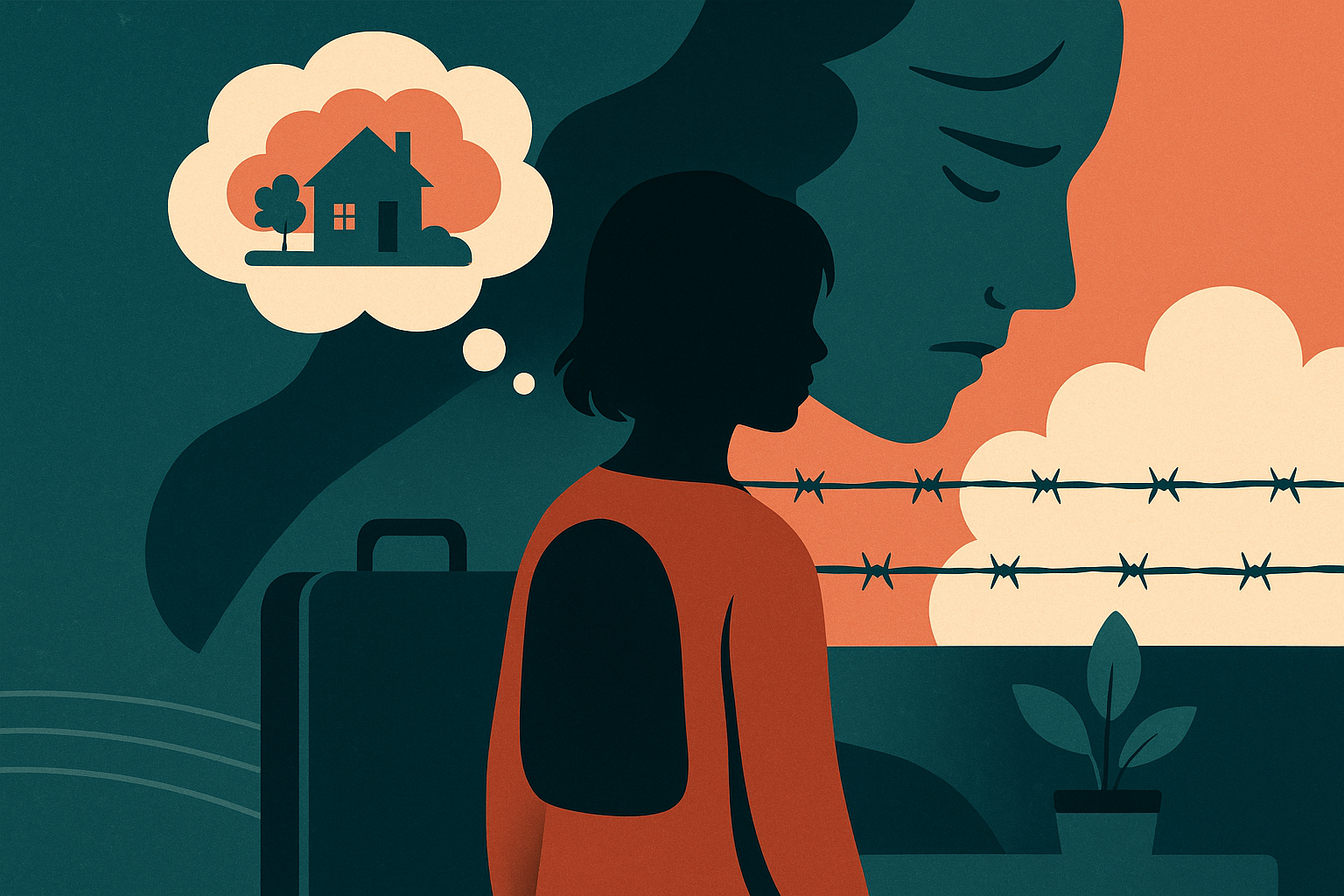
Psychosocial Interventions: Supporting Adolescents in Forced Migr
Psychosocial interventions help us understand and support adolescents facing forced migration by addressing their emotional and mental health challenges.

Horizon by Wellnest
Psychosocial Interventions for Adolescents in Migration
Summary of Issue
When a child faces forced migration, we often see changes that can be tough to understand. They might seem quieter or suddenly more anxious about things that never bothered them before. Sleep can get disrupted, or they may pull away from friends and family. Sometimes, they act out in ways that feel out of character, or they struggle to focus on schoolwork. These shifts aren’t just about missing a place—they're tied to deep feelings of loss, uncertainty, and stress. We notice these signs because their world has been turned upside down, and they’re trying to make sense of it all. It’s pretty common for young people in these situations to carry a heavy emotional load, even if they don’t say much about it. Psychosocial interventions can really help, but first, we need to recognize what our kids might be going through beneath the surface.
Why does my child seem so different after leaving home?
When our kids experience forced migration, their feelings often hide behind the changes we notice. They might seem more withdrawn or suddenly irritable, even if they never acted that way before. These shifts aren’t random; they reflect deep confusion and stress from losing their familiar world. Sometimes, they struggle to concentrate or sleep well, making everyday life harder. We might see behavior that puzzles us, like avoiding friends or lashing out unexpectedly. Psychosocial interventions help us understand these signs as part of their healing, not just misbehavior. What’s really going on is a heavy emotional load they’re carrying quietly.
Why This Matters - Why Psychosocial Interventions Matter
Why do we sometimes get the signs wrong?
Because distress in teens rarely looks like sadness. It looks like anger, silence, defiance, or a phone they won't put down. We read the surface and miss the signal underneath. Slowing down to ask "what is this behaviour telling me?" is often the turning point.
We often mistake our child’s reactions as simple misbehavior or stubbornness. When they shut down or get angry, it’s easy to think they’re just testing limits. But honestly, they’re trying to handle feelings we can’t see. We might expect them to “just get over it” or act like nothing happened. That’s not how healing works. Psychosocial interventions remind us that these behaviors come from deep inside, not from bad choices. Understanding this helps us respond with more patience and care.
Mental Health Implications - Mental Health Implications of Forced Migration
How does forced migration affect my child’s mental health?
It can affect sleep, appetite, concentration, friendships, and a child's basic sense of safety all at once. Some children regress to younger behaviours; others grow withdrawn or hyper-alert. None of this means something is wrong with your child — it means their nervous system is responding to a genuinely overwhelming event.
When kids go through forced migration, their minds carry a heavy burden. They often wrestle with anxiety, sadness, or even symptoms like nightmares and flashbacks. These aren’t just mood swings; they’re signs of trauma. We see many young people struggling to feel safe or trust others again. One in five young refugees might face depression or post-traumatic stress, according to some health surveys. That’s a lot of silent suffering. Acculturative stress — the strain of adjusting to a new language, school, and culture — adds another layer on top of the original loss. Psychosocial interventions help us spot these struggles early and offer support that fits their unique experience. It’s about more than just calming symptoms—it’s helping our kids rebuild a sense of normalcy and hope amid all the chaos.
Professional Insight - Professional Insight: Psychosocial Interventions You Can Start at Home
You don't have to be a therapist to begin. These are small, evidence-aligned psychosocial interventions any parent can practise day to day:
Start small talks daily. Find a quiet moment to ask about their feelings or what’s on their mind. No pressure, just open ears.
Watch for changes in sleep or appetite. If these shift, try to gently ask what’s different or bothering them. Sometimes, just noticing helps them feel seen.
Create a safe space for emotions. Let your kid know all feelings are okay—even anger or sadness. Show you’re ready to listen without judgment.
Encourage creative outlets like drawing, writing, or music. These let kids express what’s hard to say out loud. Join in sometimes to show you care.
Keep routines steady as much as possible. Predictable mealtimes and bedtimes help build a sense of safety when other parts of life feel uncertain.
When should we reach out for extra support?
If your child’s mood stays very low or they stop doing things they used to enjoy, it’s time to get help. Also, if they talk about hurting themselves or others, or if their schoolwork and friendships fall apart, we shouldn’t wait. Contact a mental health professional who understands trauma and migration. Early help can make a big difference in their healing journey.
How Horizon by Wellnest Can Help
Initial AssessmentClick here
When you reach out to Horizon by Wellnest, the first step is a thorough assessment to understand your adolescent’s unique needs. We take time to listen closely and figure out what’s going on beneath the surface. This helps us tailor the right support without rushing or guessing.
Tailored Therapy PlanBook a Session
Next, we design a therapy plan that fits your child’s situation. This might include counseling sessions or cognitive behavioral therapy (CBT) to help them manage tough feelings and build coping skills. We adjust the approach as we go, making sure it feels right for your family.
Parent Coaching & SupportBook a Session
We don’t just work with your teen—we support you too. Our parent coaching offers practical tips and guidance to help you understand and respond to your child’s emotional world. We’re here to answer questions and walk alongside you.
Citations: Plos.org (2026)
Internal Links
Take the Next Step
We know it’s not always easy to figure out what your child needs after such big changes. If you’re noticing signs that worry you or just want some guidance on how to support them, call us this week. We’ll set up a time to talk through what you’re seeing and explore how psychosocial interventions might help your family find a steadier path forward. You don’t have to do this alone—we’re here to listen and help.
Contact UsHorizon by Wellnest Clinical Content Team
Our editorial team is composed of licensed therapists, counsellors, and mental health advocates committed to making quality psychological knowledge accessible to every family.