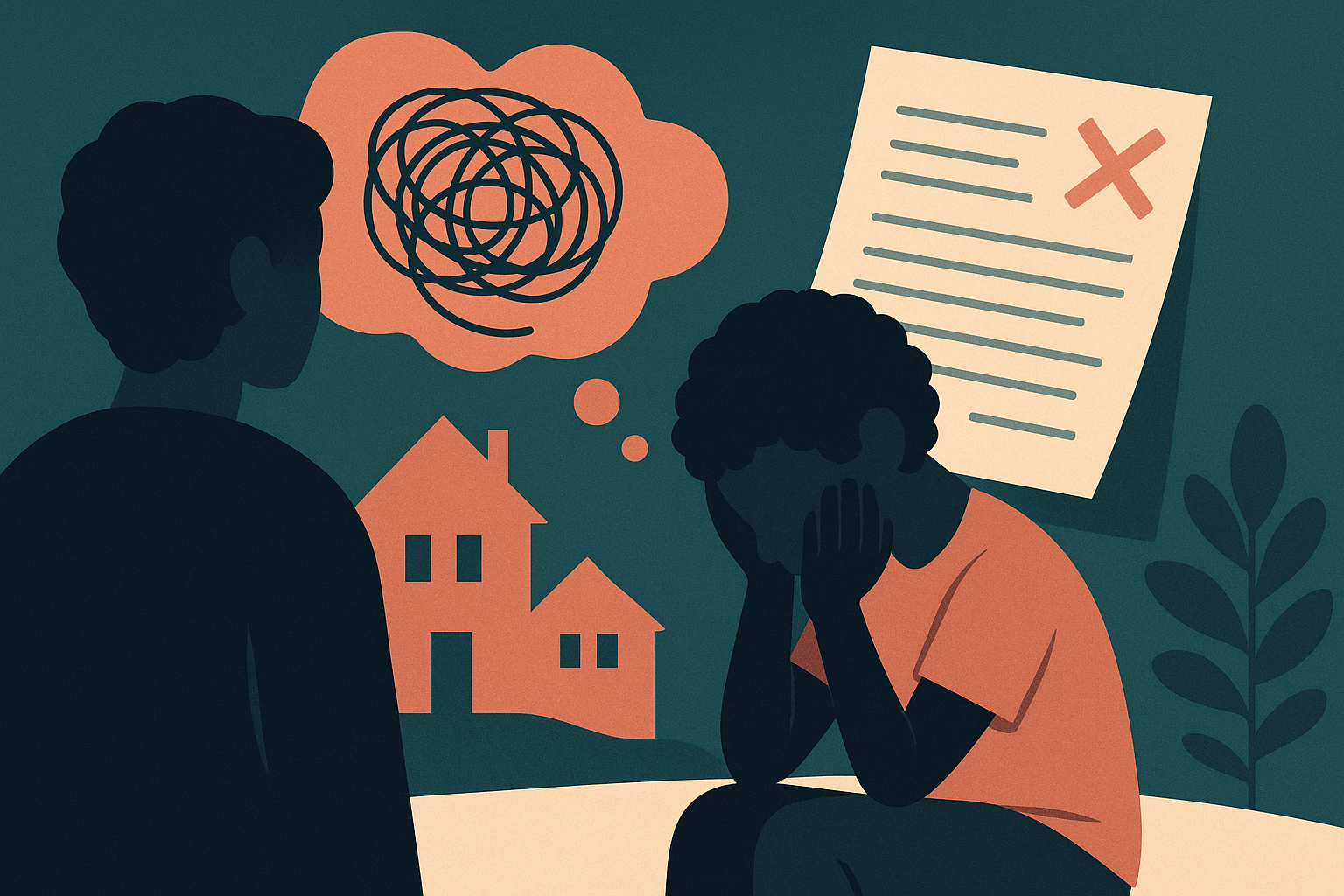
Poorer Areas Face More Child Mental Health Referral Rejections
Poorer areas often see more child mental health referrals rejected, leaving families stuck and children without the support they need to thrive.

Horizon by Wellnest
Poorer Areas Face More Child Mental Health Referral Rejections
Summary of Issue
Watching our children deal with mood swings, anxiety, or sudden behavior changes can be overwhelming. They might seem withdrawn or irritable without a clear reason, or perhaps they struggle with sleeping or focusing at school. These signs don’t always scream for help, but they suggest something isn’t quite right. Families in poorer areas often notice these struggles but face extra hurdles in getting support. It's not only about recognizing the signs; it’s about what comes next. Many parents feel stuck, unsure if their child's needs will be taken seriously or met. The frustration builds when referrals for help get turned down, leaving us with few options. We understand how hard it is to watch our children in distress without finding the support they truly deserve.
Why do our kids’ struggles sometimes go unnoticed or unaddressed?
When our kids face worries or mood changes, we might notice them acting out or pulling away. These behaviors often hide deeper feelings like anxiety or sadness. In poorer areas, families often find it harder to get help when they reach out. Referrals for mental health support may be denied more frequently, leaving us feeling lost and unsure where to go next. Our children's challenges aren’t always obvious, and when services say no, it adds to our stress. We watch them wrestle with these feelings, hoping someone will listen and provide the right kind of care.
Why This Matters
What do we often get wrong about our child’s mental health needs?
Sometimes, we think our child just needs to “toughen up” or that their mood will pass quickly. We might blame bad behavior on laziness or attitude instead of recognizing deeper feelings. In poorer areas, where support is scarce, it’s easy to feel like we’re overreacting or that help isn’t meant for us. But these struggles aren't about willpower—they're signals our kids need care. We often miss how serious things are until they escalate, making it harder for us to know how to help or when to ask for support again.
Mental Health Implications
How does rejection of referrals affect our children’s mental health?
When our kids don’t receive the help they need, their struggles can worsen over time. We see increased anxiety, sadness, and sometimes worrying behaviors. In poorer areas, where referrals get turned down more often, this can mean children face longer waits or no support at all. The numbers tell us something important: many families report feeling stuck after a rejection, unsure where to turn next. This can lead to feelings of isolation for both kids and parents. When mental health needs aren’t met early, problems can become harder to manage, making daily life tougher for our children and our whole family.
Professional Insight
- Set a daily check-in time with your child, even if it’s just five minutes. Use this moment to listen without interrupting or trying to fix things.
- Notice what triggers your child’s tough moments. Jot down what happens before and after, so we can identify patterns and help them better.
- Help your child name their feelings using simple words like “sad,” “angry,” or “worried.” This makes emotions less scary and easier to discuss.
- Maintain steady routines—meals, sleep, and playtime. Predictability offers comfort when everything feels chaotic.
- Encourage small wins, like finishing homework or sharing a feeling. Celebrate these moments to build confidence and hope.
When should we reach out for professional support?
If your child’s mood or behavior changes suddenly and lasts more than a few weeks, it’s time to act. Signs like withdrawing from friends, constant sadness, or trouble sleeping shouldn’t be ignored. When daily life gets harder, and home strategies aren’t helping, contacting a mental health provider is the next step. We want to catch these moments early before things become tougher.
How Horizon by Wellnest Can Help
Initial AssessmentClick here
When you come to Horizon by Wellnest, we begin with a thorough assessment to understand your child's unique needs. This helps us see what’s going on beneath the surface and figure out the best way to support them. We listen carefully to you and your child, ensuring we get the full picture before moving forward.
Tailored Therapy PlanBook a Session
After assessing, we create a therapy plan that fits your child’s situation. This might include counseling sessions, cognitive behavioral therapy (CBT), or other approaches that help manage emotions and behaviors. We don’t do one-size-fits-all here; each plan adapts as your child grows and changes.
Parent Coaching & SupportBook a Session
We know parents play a huge role, so we offer coaching and resources to help you feel confident in supporting your child at home. These tools can make a big difference, especially when navigating tricky moments or daily routines.
Follow-up Care
Our work doesn’t stop after a few sessions. We’re committed to providing ongoing support to ensure your child continues to thrive.
Citations: Medical Xpress (2026)
Internal Links
Take the Next Step
We know how tough it is when your child’s needs feel overlooked, especially in poorer areas where support can be harder to access. Don’t let frustration hold you back. Call us this week, and we’ll arrange a time to talk through your concerns and explore what might help your child best. We’re here to listen, guide, and find a path forward that fits your family’s unique situation. You don’t have to face this alone.
Contact UsHorizon by Wellnest Clinical Content Team
Our editorial team is composed of licensed therapists, counsellors, and mental health advocates committed to making quality psychological knowledge accessible to every family.
Disclaimer: This content is for educational purposes only