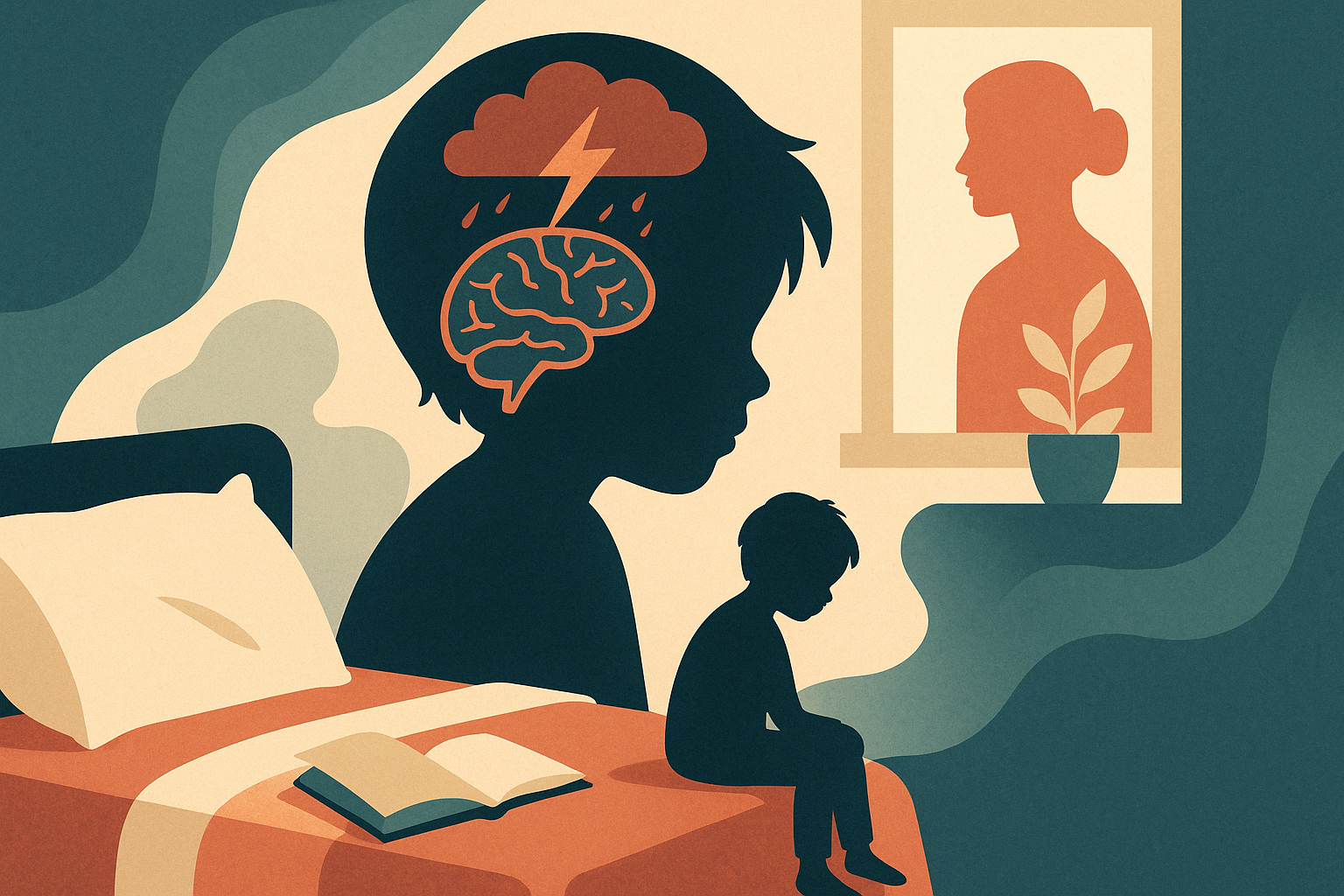
Mental Health Visits for Kids: Understanding Rising Needs
Mental health visits for children are increasing as families seek support for emotional and behavioral changes affecting daily life. Learn how mental health...

Horizon by Wellnest
Mental Health Visits for Kids: Understanding Rising Needs
Summary of Issue
We've all seen how kids can sometimes act differently—maybe they're more withdrawn, easily upset, or just not themselves. They might struggle with sleep, have wild mood swings, or even act out in ways that surprise us. Schoolwork may suddenly slip, and these changes can quietly build up, making daily life tougher for our children and for us as parents. When these feelings and behaviors linger, we often find ourselves seeking help through mental health visits. These visits aren’t just about addressing significant problems; they often begin when something feels off at home or school. Feeling unsure or worried when we notice these changes is completely normal. We want to understand what's happening beneath the surface and find ways to support our kids as they navigate these tough moments.
Why might our kids act differently without clear reasons?
Sometimes, our children's feelings get tangled up inside, and we only notice when their behavior changes. They might seem more withdrawn or lose interest in activities they once loved. Sleep troubles, mood swings, or acting out at school can all signal that something’s going on beneath the surface. These shifts don’t always come with obvious explanations, but they affect how our kids handle daily life.
Why This Matters
Why do we sometimes miss what’s really going on?
We often think our kids are just being difficult or lazy when their behavior shifts. Maybe we chalk up mood swings to normal growing pains or assume they’ll “snap out of it.” But these reactions can hide deeper struggles. Our children might not always express what they’re feeling, and we might not catch the signs until things escalate. It's easy to blame ourselves or think we’re not doing enough. Honestly, many parents don’t realize that emotional challenges can quietly take over a child’s daily life long before anyone asks for help.
We may also dismiss warning signs because they look like ordinary phases — a quieter week, a skipped meal, a missed homework. But when several small shifts stack up over weeks, they often point to something our child can't yet put into words. Mental health visits give kids a safe space to name what's happening, and they give us the language to respond at home instead of guessing.
Why Mental Health Visits for Kids Are Rising - (Mental Health Implications)
How do mental health struggles affect our kids’ daily lives?
When our children face ongoing emotional challenges, we often see it in how they cope at school, with friends, or even at home. These struggles can make concentrating harder, cause mood swings, or lead to withdrawing from activities they once loved. The numbers show something we should really pay attention to: mental health visits for kids have increased significantly, suggesting more families are seeking help for these issues. We notice that when kids don’t get the support they need, their feelings can build up, making everyday tasks feel overwhelming. It’s not just about behavior changes; their overall well-being can take a hit. We want to catch these signs early so our kids get the care they need before things get tougher.
Professional Insight
Set aside a few minutes each day to check in with your child. No pressure—just listen and let them share whatever’s on their mind.
Keep routines steady where possible. Regular meal times, bedtimes, and homework slots help kids feel safer when emotions run high.
Notice what triggers mood changes or meltdowns. Jot down patterns to spot what stresses them or helps calm them down.
Encourage small ways to express feelings—drawing, journaling, or playing music. Sometimes words don’t come easy, but other outlets do.
Model healthy coping yourself. When we handle stress openly and calmly, our child learns how to manage their own feelings too.
Small, consistent habits at home matter more than any single big conversation — these are the ones we've seen work for families coming in for mental health visits.
When should we reach out for professional support?
If your child’s mood swings become more intense or last longer than a few weeks, it’s time to connect with a specialist. Also, watch for signs like withdrawing from friends, sudden drops in grades, or talk about hurting themselves. These are red flags we can’t ignore. Getting help early often makes a big difference in how well our kids bounce back. Don’t wait until things feel overwhelming—mental health visits can provide the support your family needs.
How Horizon by Wellnest Supports Mental Health Visits for Kids - (How Horizon by Wellnest Can Help)
Initial AssessmentClick here
When you reach out to Horizon by Wellnest, we start with a careful assessment to understand your child's unique needs. This helps us see what’s going on beneath the surface and figure out the best way to support them. We listen closely to both you and your child to get the full picture.
Tailored Therapy PlanBook a Session
Next, we create a therapy plan that fits your child’s situation. Whether it’s counseling or cognitive behavioral therapy (CBT), we tailor sessions to help your child build skills and feel more in control. We keep things flexible because no two kids are the same.
Parent Coaching & SupportBook a Session
We don’t just work with your child—we support you too. Our parent coaching offers practical tips and guidance so you can help at home. We’re here to answer questions and share strategies that make a real difference.
Citations: The New York Times (2026)
Internal Links
Take the Next Step
If you’ve noticed your child struggling and feel ready to explore support, call us this week. We’ll arrange a time to talk through your concerns and figure out the best next steps together. Mental Health Visits aren’t a sign of failure—they’re a way to help your child feel understood and find tools to manage tough feelings. We’re here to listen, guide, and support you both through this process. Don’t wait until things feel overwhelming; reach out now.
Contact UsHorizon by Wellnest Clinical Content Team
Our editorial team is composed of licensed therapists, counsellors, and mental health advocates committed to making quality psychological knowledge accessible to every family.