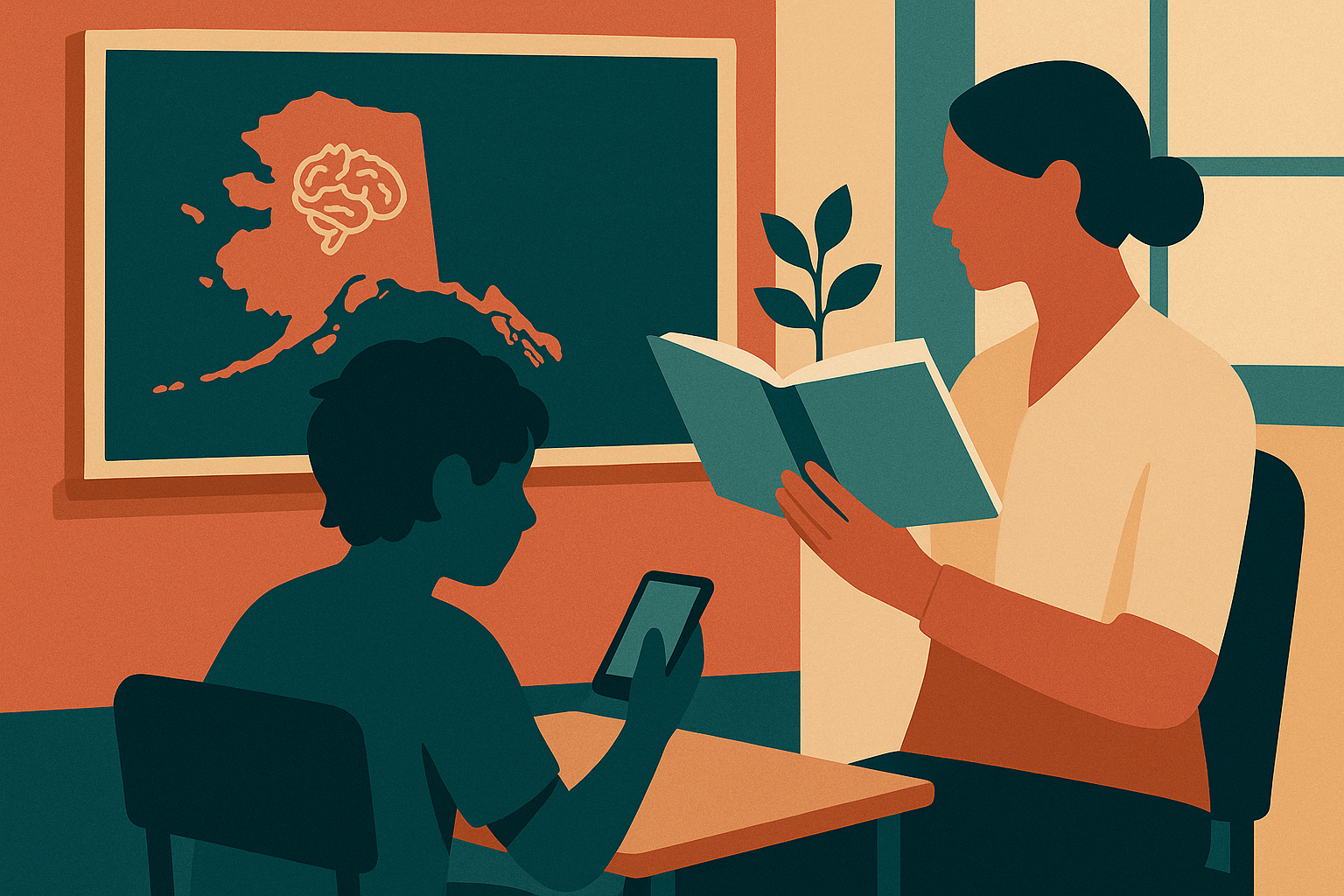
Mental Health Education in Schools: Alaska's New Law
The Alaska Legislature supports mental health education in schools to help families recognize and address children's emotional struggles early on. / Worried your child seems different? See why mental health education in schools matters in Alaska, what signs to watch for, and how to support kids early.

Horizon by Wellnest
Mental Health Education in Schools: What Alaska's New Law Means for Parents
Summary of Issue
Some days, we just know something is off with our kid. They're quieter at dinner. They skip the friend they used to call every night. They scroll their phone for hours and don't even laugh once. We can't always put our finger on it, but that gut feeling sticks. That's why a lot of us are paying attention to what's happening in Alaska right now. The state legislature has moved forward with a plan to bring real mental health education in schools, and honestly, it's about time. For families like ours, this could mean someone else is finally watching for the same quiet signs we are.
Why Our Kids Seem Different Lately
It's not always dramatic. It's a sleepover she suddenly doesn't want to go to. It's a kid who used to bound out of bed but now drags. We see these things, but we second-guess ourselves. Is it school? Hormones? Too much screen time? Sometimes it really is just a phase. But sometimes there's more going on, and a child who can't quite name what they feel needs us to lean in instead of waiting it out.
Why Mental Health Education in Schools Matters - (Why This Matters)
What do we often miss about our kids’ feelings?
Most kids don't walk up to us and say, "I think I'm anxious." They say they have a stomachache. They say they hate school. They get short with their sibling and then hide in their room. We end up guessing, and they end up alone with it. Mental health education in schools gives teachers and counselors the same vocabulary we use at home, so a kid who's struggling has more than one adult who can spot it. It also gives our kids the words. When a 10-year-old can say "I'm overwhelmed" instead of slamming a door, that's a real win.
How Our Kids' Struggles Show Up - (Mental Health Implications)
How are our kids’ mental health struggles showing up?
The CDC's Youth Risk Behavior Survey says nearly one in three teens report ongoing sadness or hopelessness. Read that again. One in three. At home, it usually looks smaller than the statistic sounds. A daughter who used to love soccer now wants to quit. A son who was always hungry suddenly picks at dinner. Headaches before school. Tears over things that used to roll off. If any of this sounds familiar, you're not alone, and you're not overreacting.
We often miss the signs that our children are feeling overwhelmed or anxious. Some kids might seem more withdrawn or lose interest in activities they once enjoyed. Others could get easily frustrated or have trouble focusing on schoolwork. According to CDC Youth Risk Behavior Survey data, nearly one in three teens report persistent feelings of sadness or hopelessness. That’s a lot of young people carrying heavy emotions quietly. The Alaska Legislature’s new attention to mental health education in schools helps us spot these struggles earlier. When we recognize these signs, we can support our kids better and help them find ways to cope before things get worse. Sound familiar? It’s more common than we think.
What Mental Health Education in Schools Looks Like
Alaska's plan isn't about turning math class into therapy. It's age-appropriate. For younger kids, it's naming feelings and learning how to calm down when their body feels too big for them. For tweens and teens, it's recognizing anxiety, handling pressure around exams and friendships, and knowing exactly who to talk to in the building. The part that matters most for us as parents: there are more trained adults watching, and our kids come home with the words to actually tell us what happened today.
What Parents Can Do at Home - (Professional Insight)
Check in without making it a thing
Drive time is gold. So is the ten minutes before bed. Ask about something small and let them lead. A "how was your day" usually gets you "fine," but "did anything weird happen at lunch?" sometimes gets you a whole story.
Give them a soft place to land
A corner with a blanket, a bean bag, even a chair by the window. Kids need somewhere that isn't their bed where they can just be. It sounds tiny, but it gives them a place to reset.
Watch sleep and screens, gently
When sleep slips, mood slips with it. Same with late-night scrolling. We don't have to make it a fight. A charging station outside the bedroom does more than ten conversations about screen time.
Keep the boring stuff steady
Same wake-up, same dinner-ish time, same homework spot. Predictability calms a kid whose insides feel chaotic, even if they roll their eyes at the routine.
Stay steady when they don't
Some weeks they're not going to be the kid you remember. Don't take it personally. Show up calm tomorrow. And the day after. That's the real work.
We can carve out a few minutes each day to check in with our kids. No pressure, just a casual chat about their day or feelings. This helps us catch small worries before they grow.
Creating a calm space at home where they can relax or share without distractions is helpful. Sometimes kids need a quiet corner more than a big talk.
We should keep an eye on sleep and screen time. When these get out of balance, mood and focus often slip. Helping them wind down earlier can make a big difference.
Encouraging simple routines around meals and homework gives our kids a sense of control when other things feel overwhelming.
We need to show patience when moods shift or friendships get tricky. We might not fix everything fast, but staying steady and present means a lot to them.
When to reach out for professional support?
If the low mood or anxiety hangs on for more than two weeks, if your child is dodging school or friends, or if you notice sudden shifts in sleep, eating, or any mention of hurting themselves, don't wait it out. Early help is honestly easier help. A pediatric counselor or therapist can take a look and tell you whether this needs more than home support. You don't have to be sure before you call.
How Horizon by Wellnest Can Help
Initial AssessmentClick here
When you reach out to us at Horizon by Wellnest, we start with a thorough assessment to understand your child's unique needs. This step helps us get a clear picture of their emotional and behavioral patterns, so we can figure out the best way to support them. We listen closely to both you and your child to tailor our approach thoughtfully.
Tailored Therapy PlanBook a Session
After the assessment, we develop a personalized therapy plan that might include counseling or cognitive-behavioral therapy (CBT). Our goal is to work alongside your child in a way that fits their pace and personality. We want therapy to feel like a safe space, not a chore.
Parent Coaching & SupportBook a Session
We don’t just focus on the child. Supporting parents is a big part of what we do. Our parent coaching sessions offer practical strategies to help you navigate challenges at home and reinforce progress made during therapy. We’re here to answer your questions and provide guidance as things evolve.
Citations: Alaska Beacon (2026)
Internal Links
Take the Next Step
If you’ve noticed changes in your child that worry you, don’t wait to see if they pass on their own. We’re here to help figure out what’s going on and support your family. Call us this week, and we’ll arrange a time to talk about your child’s needs and how we can assist. With the Alaska Legislature’s new focus on mental health, we have more resources ready to guide us through this together. Let’s start that first conversation soon.
Contact UsHorizon by Wellnest Clinical Content Team
Our editorial team is composed of licensed therapists, counsellors, and mental health advocates committed to making quality psychological knowledge accessible to every family.