Mental Health Challenges in PhD Students: Spotting Silent Struggl
Mental health issues often go unnoticed in PhD students facing supervisory stress. We explore signs and ways to support our children through these tough times.

Horizon by Wellnest
Mental Health Challenges in PhD Students: Spotting Silent Struggles
Summary of Issue
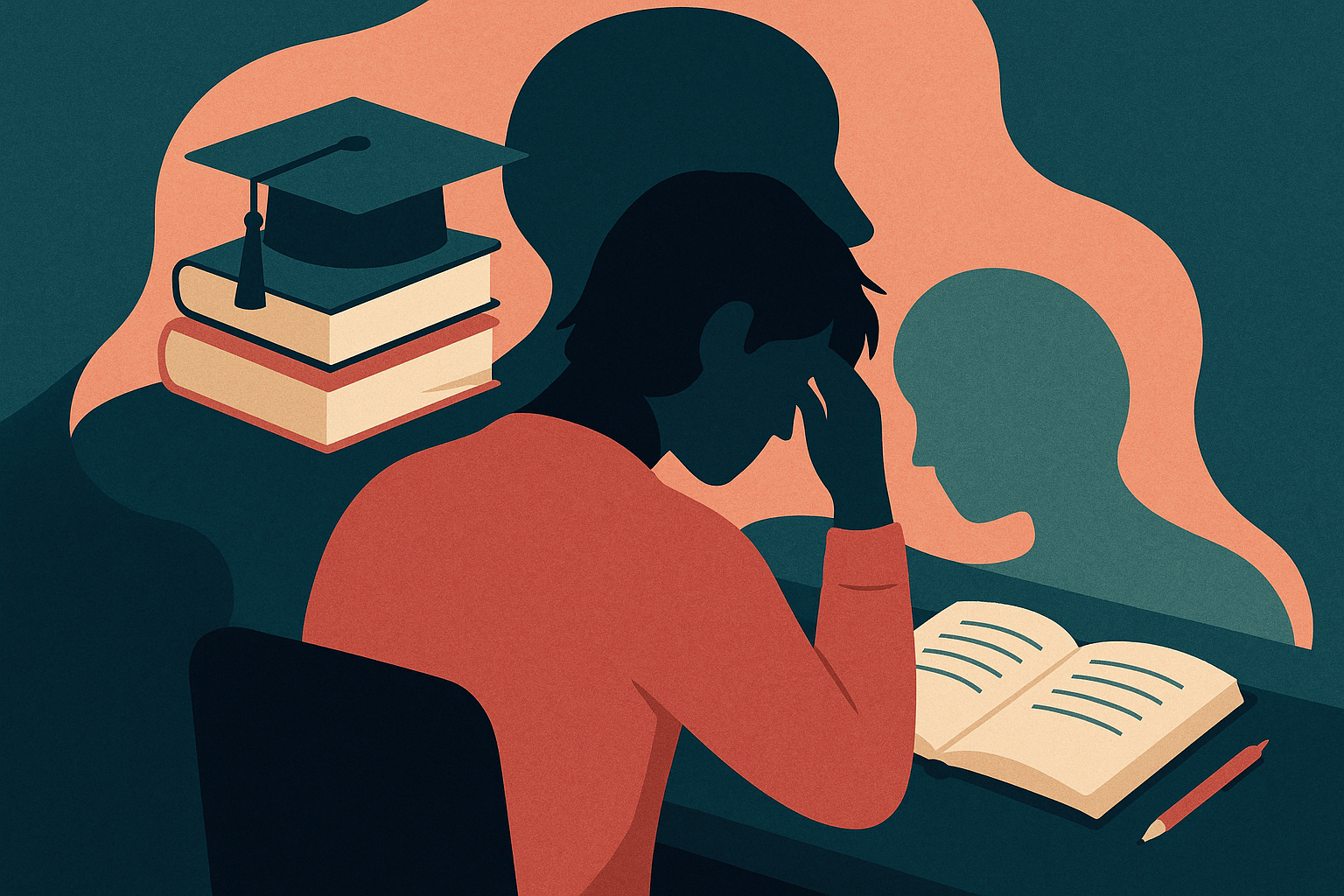
When our child embarks on a challenging academic journey, we often notice subtle changes in their mood or energy. They might seem withdrawn, more anxious, or just not like themselves—perhaps skipping meals or avoiding conversations about their work. These shifts can feel confusing, especially when they don’t openly discuss what’s going on. Sometimes, they might hint at feeling overwhelmed or frustrated but quickly shut down when we ask for details. It’s tough because they may be grappling with feelings they don’t fully understand or can’t easily express. As parents, we often sense something's off but can’t quite put our finger on it. These silent struggles can weigh heavily on their well-being, even if they don’t say much. We see the pressure mount quietly, shaping their days in ways that aren’t always visible to us or their friends.
Why might our child seem distant or reluctant to share about their work?
When our child dives into demanding studies, we often notice them pulling away or acting quieter than usual. They might avoid discussing their progress or seem tense during family time. These signs aren’t random. Our kids could be wrestling with mental health struggles linked to their academic pressures or conflicts with supervisors. They might feel stuck or unsure how to ask for help, especially if they worry about judgment or disappointing us. Sometimes, their silence masks stress or frustration that’s hard to articulate. We might catch glimpses of their struggle, but the full picture remains hidden beneath the surface.
Why This Matters
Why do we sometimes miss the signs of our child’s struggle?
We often think our child is just being moody or lazy when they pull away. It’s easy to assume they’ll bounce back without extra support. Sometimes, we expect them to talk to us if something’s wrong, but they might not feel safe or ready to open up. We might also overlook how much pressure they face from school or supervisors, thinking it’s just part of growing up. This gap between what we see and what they feel can leave our kids feeling even more alone.
Mental Health Implications
How does stress from school affect our child's mental health?
When our kids face tough demands and tricky relationships at school, their mental health often takes a hit. They might feel overwhelmed, anxious, or even depressed, but not say a word. The numbers tell us something worth paying attention to: about 40% of young adults in intense academic settings report feeling seriously stressed or down, based on surveys like the CDC Youth Risk Behavior Survey. We might notice changes in their mood or energy, but they might hide how bad it feels inside. This kind of pressure can make it harder for them to focus or enjoy things they used to love. We want to catch these signs early so they don’t get stuck in a tough mental spot.
Professional Insight
- Start small talks daily, maybe during meals or car rides. No pressure, just check in on their feelings or school stuff.
- Notice their routine changes—sleep, eating, or hobbies. Gently ask about these shifts without sounding like an interrogation.
- Help them set tiny goals for school or social time. Celebrate wins, even if they're small. It builds confidence and shows you care.
- Create a calm space at home where they can unwind. Maybe some quiet music, a comfy chair, or a spot for drawing or reading.
- Encourage them to write or draw about their day if talking feels tough. Sometimes expressing feelings this way is easier than words.
When should we reach out for professional support?
If our child’s mood swings get intense or last for weeks, and they stop doing things they love, it’s time to act. Also, if they talk about feeling hopeless or show signs of self-harm, we shouldn’t wait. Contacting a mental health professional early can make a significant difference. We can start by calling a counselor or pediatrician to get advice on next steps.
How Horizon by Wellnest Can Help
Initial AssessmentClick here
When we reach out to Horizon by Wellnest, we begin by getting to know your child through a detailed assessment. This helps us understand their unique needs and challenges. We listen carefully to both parents and kids, ensuring everyone feels heard before moving forward.
Tailored Therapy PlanBook a Session
Next, we design a therapy plan that fits your child’s situation. Whether it’s counseling, cognitive behavioral therapy, or other approaches, we tailor sessions to support their growth and coping skills. We keep things flexible and adjust as your child progresses.
Parent Coaching & SupportBook a Session
We don’t just work with your child—we offer coaching for you as parents too. This helps you understand what’s happening and how to support your kid better. We share practical tips and resources that make a real difference at home.
Follow-up Care
After therapy sessions, we stay connected through follow-ups to check on progress and tweak plans if needed.
Citations: Times Higher Education (2026)
Internal Links
Take the Next Step
If you’ve noticed these changes and feel unsure about what to do next, don’t hesitate to reach out. We’re here to listen and help you figure out how to support your child’s mental health in practical ways. Give us a call this week, and we’ll arrange a time to talk through your concerns and explore options tailored to your family. Taking this step can make a real difference—and you won’t have to do it alone.
Contact UsHorizon by Wellnest Clinical Content Team
Our editorial team is composed of licensed therapists, counsellors, and mental health advocates committed to making quality psychological knowledge accessible to every family.
Disclaimer: This content is for educational purposes only