Mental Health Challenges in Kids Amid Cost of Living Struggles
We explore how mental health in children is affected by financial stress and what signs to watch for to support our kids through tough times.

Horizon by Wellnest
Mental Health Challenges in Kids Amid Cost of Living Struggles
Summary of Issue
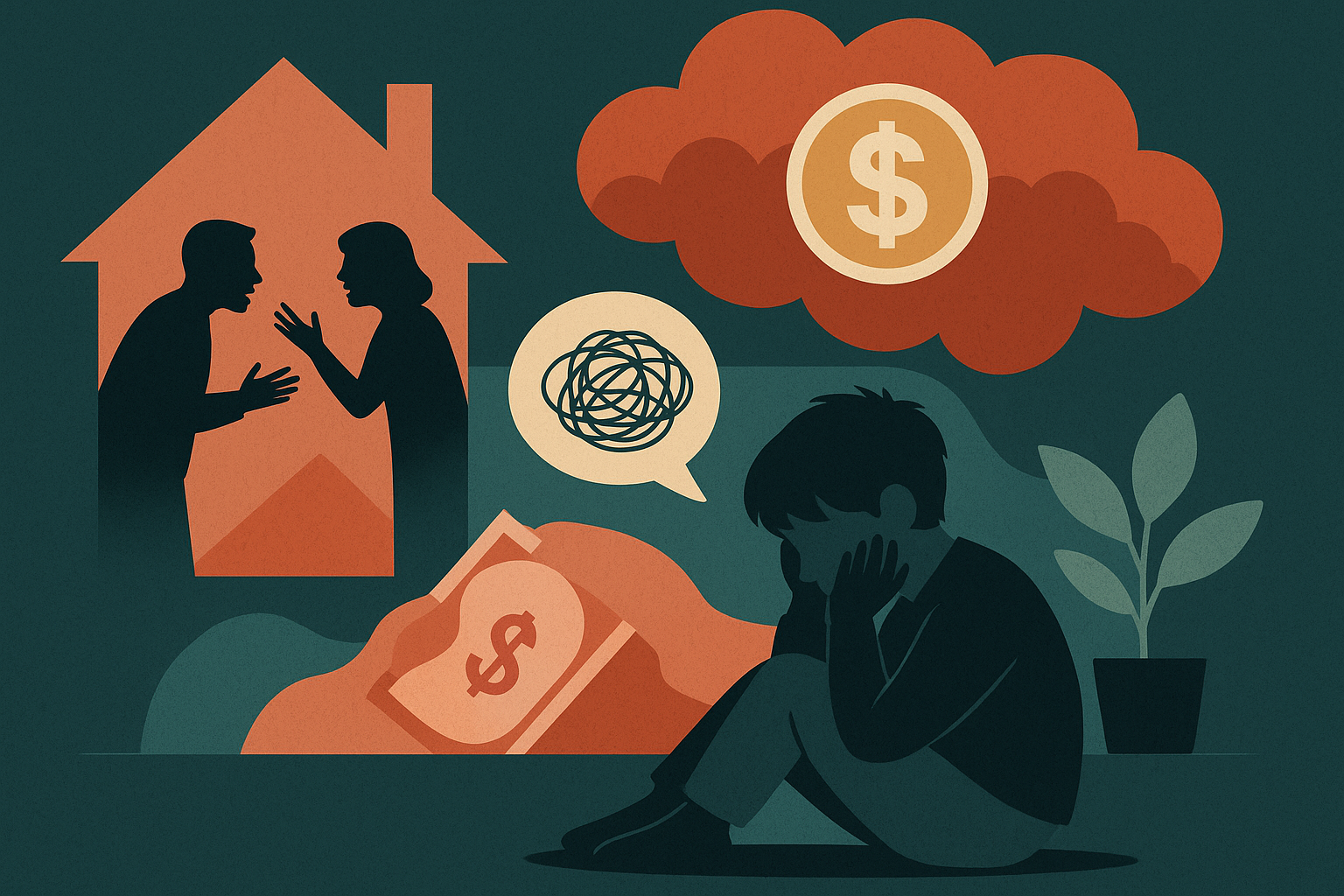
When families face tough financial times and added stress at home, we often notice changes in our children that quietly signal something’s off. Maybe they seem more withdrawn, less interested in things they used to love, or suddenly irritable without a clear reason. Sometimes, kids might start acting out or showing signs of anxiety that weren’t there before. These shifts aren’t always loud or obvious but can build up slowly as the pressures around them grow. We might see them struggling to keep up at school or having trouble sleeping, and it’s easy to feel unsure about what’s going on beneath the surface. The strain that families carry can ripple into how children feel and behave, touching their sense of safety and connection. When our kids’ emotional well-being feels fragile, it’s a signal that their world might be feeling heavier than we realize.
How might our kids show stress when life feels overwhelming?
When our family faces tight budgets and extra worries, our children often show it in subtle ways. They might seem quieter than usual or lose interest in favorite activities. Sometimes, irritability pops up without a clear cause. We might notice trouble sleeping or falling behind in schoolwork. These changes aren’t always dramatic but can build up as the pressure grows around us. Our kids’ mental health can feel shaky, even if they don’t say much. What does this look like at home? Maybe they pull away or act out more, signaling they’re struggling to handle what’s going on inside.
Why This Matters
What do we often miss when our kids act differently?
Sometimes we think our kids are just being difficult or lazy when stress affects them. We might blame mood swings on attitude or assume poor focus means they’re not trying. But often, they’re struggling inside, and their mental health is shaken. What looks like defiance might be a call for help. We don’t always see how much pressure is building up or how tired they feel. It’s easy to overlook these signs because they don’t always shout for attention. We want to help, but sometimes we need to slow down and listen more closely to what’s really going on.
Mental Health Implications
How does stress from tough times affect our kids’ mental health?
When families face money struggles and extra stress, our children’s mental health often takes a hit. They might feel anxious or down without knowing why. Sleep troubles and mood swings become common. The numbers tell us something worth paying attention to: many kids worldwide show signs of stress when life feels unstable. We might see changes in behavior, like withdrawing from friends or acting more irritable. These signs aren’t always loud but can quietly build up, making it harder for our kids to cope. As parents, we’re in a unique spot to notice these shifts early and help our children find calm amid the chaos.
Professional Insight
- Start small talks about feelings during calm moments. Try chatting after dinner or while driving. No pressure, just open ears.
- Notice changes in sleep, appetite, or mood. Write them down so we can track patterns together. This helps us catch stress early.
- Set up consistent routines for meals, homework, and bedtime. Predictability offers kids a sense of safety when life feels shaky.
- Encourage physical activity or creative outlets. Movement and art often let kids express what words can’t reach.
- Model healthy coping yourself. Share how you handle stress, showing it’s okay to feel overwhelmed and ask for help.
When should we reach out for professional support?
If our child’s mood swings become extreme, or they withdraw completely from family and friends, it’s time to get help. Also, if sleep or appetite problems last weeks or their schoolwork drops sharply, we shouldn’t wait. When they talk about hopelessness or harming themselves, immediate professional care is needed. Connecting with a counselor or pediatrician early can prevent things from getting worse.
How Horizon by Wellnest Can Help
Initial AssessmentClick here
When you reach out to Horizon by Wellnest, we start by getting to know your child through a thorough assessment. This helps us understand their unique needs and challenges. We listen closely to your concerns and gather information to shape the best path forward.
Tailored Therapy PlanBook a Session
Next, we design a therapy plan that fits your child’s situation. Whether it’s counseling or cognitive behavioral therapy (CBT), we focus on approaches that suit their personality and struggles. Our goal is to support your child in building skills to manage emotions and stress.
Parent Coaching & SupportBook a Session
We don’t just work with kids; we’re here for parents too. Offering coaching and resources, we help you navigate your child’s mental health journey. Sharing strategies and insights can make a real difference at home.
Follow-up Care
After therapy sessions, we stay connected through follow-ups to see how things are going.
Citations: The Guardian (2026)
Internal Links
Take the Next Step
If you’ve noticed these shifts in your child, don’t wait to see if things improve on their own. We’re here to listen and support you both. Call us this week, and we’ll arrange a time to talk through what you’re seeing and figure out the best next steps. Taking that first call can feel tough, but it’s a strong move toward easing the weight your family is carrying and protecting your child’s mental health.
Contact UsHorizon by Wellnest Clinical Content Team
Our editorial team is composed of licensed therapists, counsellors, and mental health advocates committed to making quality psychological knowledge accessible to every family.
Disclaimer: This content is for educational purposes only