Mayor Bowser's DC School Mental Health Cuts: What Parents Should Know
Mayor Bowser's 2026 budget proposes cuts to DC school mental health services. Here's how DCPS changes may affect your child — and what to watch for.

Horizon by Wellnest
Mayor Bowser's DC School Mental Health Cuts: What Parents Should Know
Summary of Issue
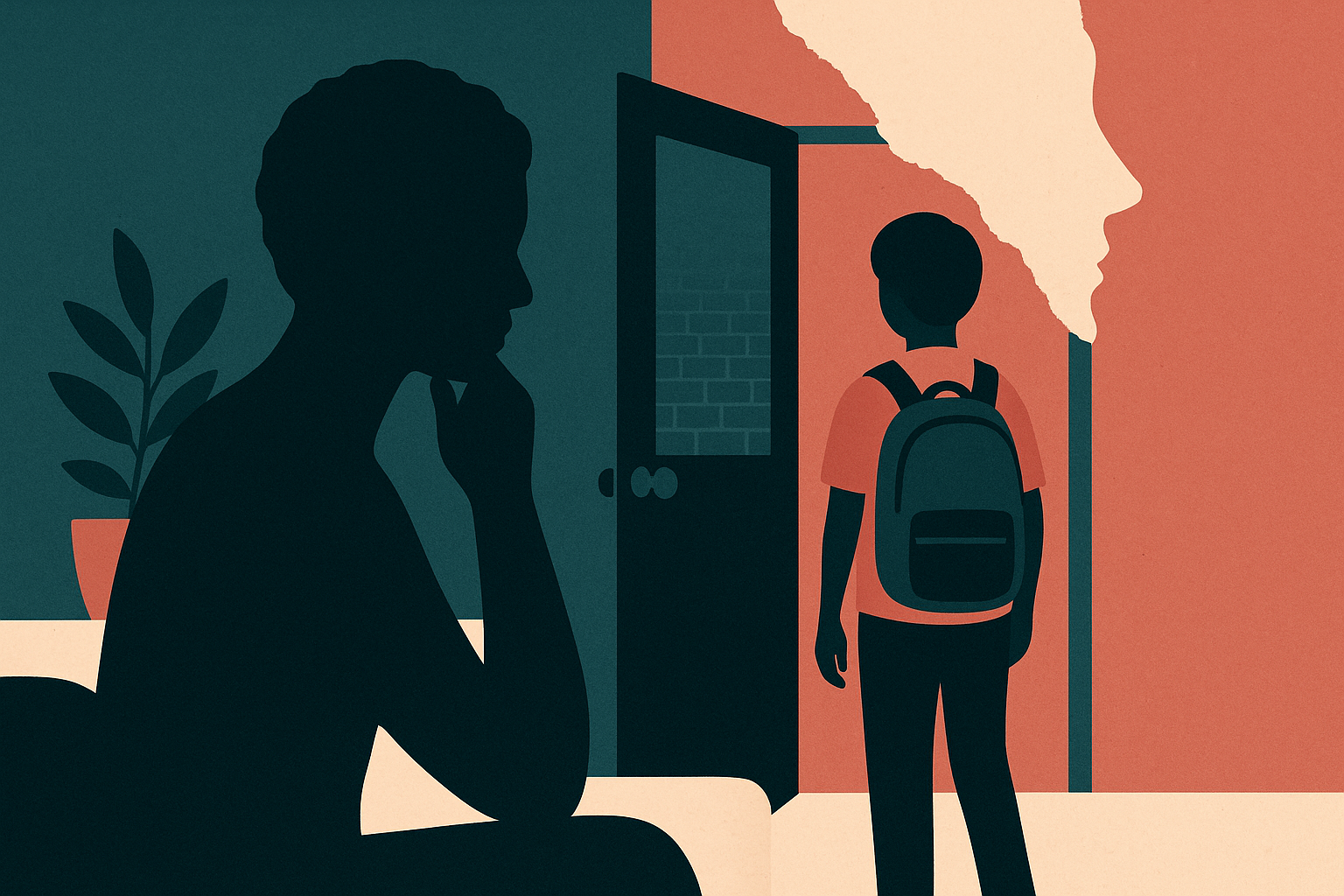
Mayor Bowser's proposed 2026 budget cuts to DC school mental health services have left many DCPS parents wondering what support their kids will lose — and how to spot the signs of stress before things escalate. When we watch our kids come home from school, we sometimes notice little changes that don't quite add up — and lately, Mayor Bowser's proposed changes to mental health services in D.C. schools have many parents wondering what's ahead. Maybe they seem more withdrawn than usual, or they're suddenly struggling with tasks they once handled easily. Some days, they might be irritable or anxious, and other times, they just don’t want to talk about what’s going on at school. These shifts can be subtle at first, but they quietly pile up, making us wonder if something deeper is going on. Our children rely on their school environment not just for learning but also for feeling safe and supported. When mental health services at school shift or become uncertain, it’s natural for us to worry about how our kids will manage their emotions and challenges. We want to ensure they have the support they need when they need it most, even before things feel overwhelming.
Why might our kids act differently after school lately?
Sometimes, our children start showing signs that something feels off, even if they don’t say much. They might seem quieter, lose interest in activities they once enjoyed, or get frustrated more easily. These changes often reflect how they’re handling stress or emotions inside. When mental health support at school changes, like with the shifts proposed by Mayor Bowser, our kids might feel less safe or understood. That uncertainty can make everyday challenges harder to manage.
Why This Matters - (Why Mayor Bowser's Mental Health Plan Matters for D.C. Parents)
What do parents often miss about mental health changes in school?
Mayor Bowser's budget proposal would reshape how D.C. schools deliver mental health support — and for parents, that uncertainty can feel personal. We sometimes think our kids are just being lazy or stubborn when they act out or withdraw. It’s easy to blame moodiness on typical teen behavior, but there’s often more beneath the surface. When mental health support changes, kids might lose crucial help without us realizing it. We might not see how much stress they carry or how lonely they feel. These struggles don’t always come with big alarms. We have to look past the surface and listen carefully, even if our kids don’t say much. That’s where real understanding begins.
Mental Health Implications - (Mental Health Implications of Mayor Bowser's D.C. School Changes)
How might changes in school mental health services affect our children’s well-being?
When mental health support shifts at school, kids often feel the impact in ways we might not immediately see. Some may become more anxious or withdrawn, while others might act out or struggle to focus. The numbers tell us something worth paying attention to: nearly one in five teens report feeling sad or hopeless for weeks at a time, according to CDC Youth Risk Behavior Survey data. If services get cut or rearranged, our children might lose access to trusted adults who help them manage these feelings. That loss can make it harder for them to cope with everyday stress. We want to watch for these signs and keep the conversation open, especially as new changes roll out under Mayor Bowser’s plans.
Professional Insight - (Signs of Anxiety and Depression in DC Students)
Start small talks daily. Find a quiet moment after school or dinner to ask about their feelings or what made them smile. No pressure, just open ears.
Watch for changes in sleep or appetite. Jot down any shifts you see. These clues tell us when stress is building up.
Keep routines steady. Bedtime, meals, homework—all should have a rhythm. Kids feel safer when days aren’t unpredictable.
Help your child name emotions. Use simple words like “frustrated” or “lonely.” When they can say it, they can manage it better.
Encourage breaks from screens and social media. Sometimes unplugging helps kids reset their mood and focus. Try a walk or a game together.
When should we reach out for professional support?
If our child’s mood swings become extreme or they start avoiding friends and family, it’s time to act. Notice if they talk about hopelessness or show sudden changes in behavior. When daily struggles grow too heavy, connecting with a counselor or therapist can offer real relief. Don’t wait for a crisis—early help often makes the biggest difference.
How Horizon by Wellnest Can Help - (Child Therapy in Washington DC — How Horizon by Wellnest Helps)
Initial AssessmentClick here
When you reach out to Horizon by Wellnest, we start by getting to know your child through a careful assessment. This helps us understand their unique needs and challenges before we plan any next steps. We’ll listen closely to what you and your child share, making sure we capture the whole picture.
Tailored Therapy PlanBook a Session
After that, we design a therapy plan that fits your child’s situation. This might include counseling sessions or cognitive-behavioral therapy (CBT), depending on what seems most helpful. We adjust as we go, ensuring the approach stays relevant and supportive.
Parent Coaching & SupportBook a Session
We don’t just work with your child; we support you too. Our parent coaching helps you learn ways to encourage your child’s progress at home. We want you to feel confident and equipped to handle challenges as they come.
Follow-up Care
Staying connected matters. We’ll check in regularly to see how things are going, making adjustments as needed. It's all about ensuring our kids feel supported as they navigate their emotions.
Citations: WAMU (2026)
Internal Links
Take the Next Step
We know it’s not always easy to figure out what your child needs when things feel uncertain. If you’ve noticed shifts in their mood or behavior, don’t wait to get some clarity. Call us this week, and we’ll set up a time to talk through what you’re seeing and plan next steps. We’re here to listen and help your family find the right support, especially as changes like those proposed by Mayor Bowser affect mental health resources at school.
Contact UsHorizon by Wellnest Clinical Content Team
Our editorial team is composed of licensed therapists, counsellors, and mental health advocates committed to making quality psychological knowledge accessible to every family.