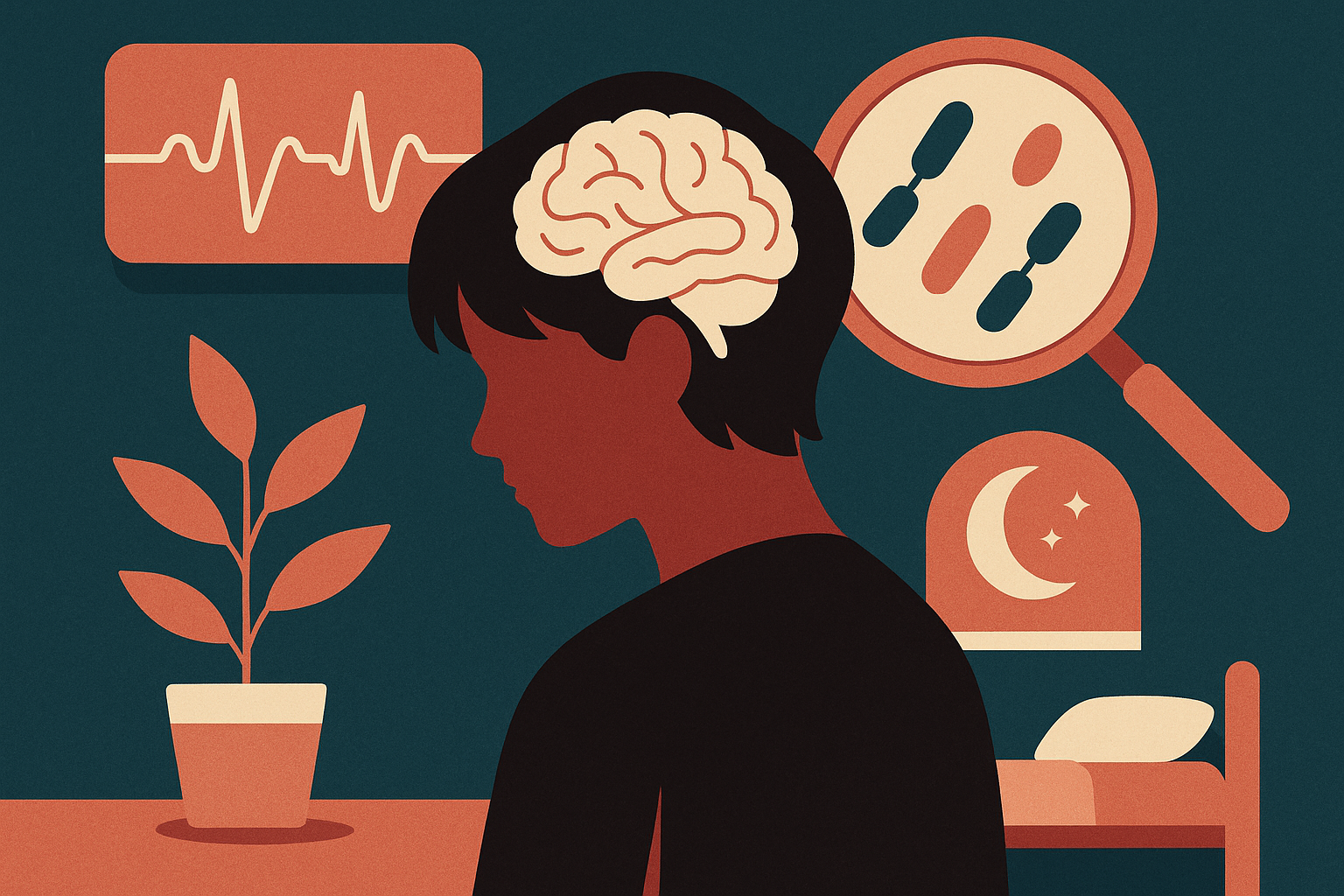
HRMS Identifies Key Biomarkers for Teen Mental Health Changes
HRMS Identifies biological clues that reveal shifts in teen mental health, helping us support our kids through mood and behavior changes more effectively.

Horizon by Wellnest
HRMS Identifies Key Biomarkers for Teen Mental Health Changes
Summary of Issue
We often hear from parents who notice their teen seems different—quieter, more withdrawn, or suddenly anxious without a clear reason. Maybe their sleep patterns shift, or they lose interest in activities they once loved. Sometimes, mood swings feel more intense, or concentration at school drops off sharply. When we see these changes, it can be tough to pinpoint what’s happening beneath the surface. These shifts can leave us feeling uncertain about how to support our child. That's where HRMS Identifies comes into play, revealing emerging patterns in biology that help us understand these behaviors better, even before the full picture is clear. We need to pay attention to what our kids are showing us, even when it feels confusing or overwhelming.
What might be happening inside when our teen acts different?
When our child starts pulling away or seems more anxious, it often signals something stirring beneath the surface. Their brain chemistry and body responses might be shifting in ways we can’t easily see. We notice changes in mood, energy, or focus, but the reasons feel unclear. This is where HRMS Identifies clues in the body’s biology that could explain these behaviors. It’s like having a new lens to catch early signs before things escalate.
Why This Matters
What do we often miss about what’s going on inside our teen?
We sometimes think our teen’s mood swings or withdrawal are just phases or choices. It’s easy to blame laziness or rebellion without recognizing the deeper biology at work. Many parents don’t realize that changes in their child’s body chemistry can shape feelings and behaviors in ways kids can’t easily explain. When HRMS Identifies these hidden shifts, it reminds us that our teen’s struggles aren’t simply “acting out.” They’re often signs of real, physical changes that need kindness and support—not just discipline or tough love.
Mental Health Implications
How do these biological clues affect our teen’s mental health?
When HRMS Identifies shifts in body chemistry, it helps us see what might be fueling our teen’s mood changes. These biological signs often link to anxiety, depression, or stress responses that feel invisible but are very real. For instance, nearly 20% of teens report feeling persistent sadness or hopelessness, according to CDC Youth Risk Behavior Survey data. That’s a lot of young people struggling quietly. Knowing what’s happening inside can guide us toward better support or treatment before issues grow. It's not just about behavior—it’s about understanding the body’s signals that influence how our kids feel and think every day. This insight helps us respond with more care and less guesswork.
Professional Insight
- Start simple talks with your teen about how they feel physically and emotionally. No pressure, just check in casually.
- Keep a daily log of mood changes, sleep patterns, and energy levels. This helps us spot shifts that might be linked to body chemistry.
- Encourage regular routines around meals and bedtime. Small, steady habits can support brain and body balance.
- Limit screen time before bed and promote calming activities like reading or gentle walks. These can ease stress and improve focus.
- Show patience and avoid blaming. When we respond with kindness, our teens feel safer sharing what’s really going on inside.
When should we reach out for professional support?
If our teen’s mood swings become extreme, or if they withdraw completely, it’s time to act. We should notice if sleep or appetite changes last weeks, or if schoolwork and friendships suffer badly. When behaviors disrupt daily life or safety feels at risk, we shouldn’t wait. Talking with a mental health professional can guide us through understanding these changes and finding the right support.
How Horizon by Wellnest Can Help
Initial AssessmentClick here
When you come to Horizon by Wellnest, we start by getting to know your teen through a thorough assessment. This helps us understand their unique challenges and strengths before we decide on the best approach. We listen closely to both you and your child to ensure nothing important gets missed.
Tailored Therapy PlanBook a Session
After that, we create a therapy plan that fits your teen’s needs. Whether it’s counseling, cognitive-behavioral therapy, or other approaches, we adjust as we go. Our goal is to help your child build skills and feel more balanced, not just manage symptoms.
Parent Coaching & SupportBook a Session
We don’t stop with your teen. We offer coaching for parents too, so you know how to support your child day-to-day. This helps everyone feel more confident and connected during tough times.
Follow-up Care
Finally, we check in regularly with follow-up sessions to see how things are going and tweak the plan if needed.
Citations: Chromatography Online (2026)
Internal Links
Take the Next Step
If you’ve noticed these subtle shifts in your teen and want to understand what’s happening beneath the surface, we’re here to help. Don’t wait until things feel overwhelming. Call us this week, and we’ll arrange a first conversation to explore your child’s unique experience. Our goal is to listen carefully, gather insights, and consider how HRMS Identifies might offer clues to support your family’s next steps. You’re not alone in this—we’ll figure it out together.
Contact UsHorizon by Wellnest Clinical Content Team
Our editorial team is composed of licensed therapists, counsellors, and mental health advocates committed to making quality psychological knowledge accessible to every family.
Disclaimer: This content is for educational purposes only