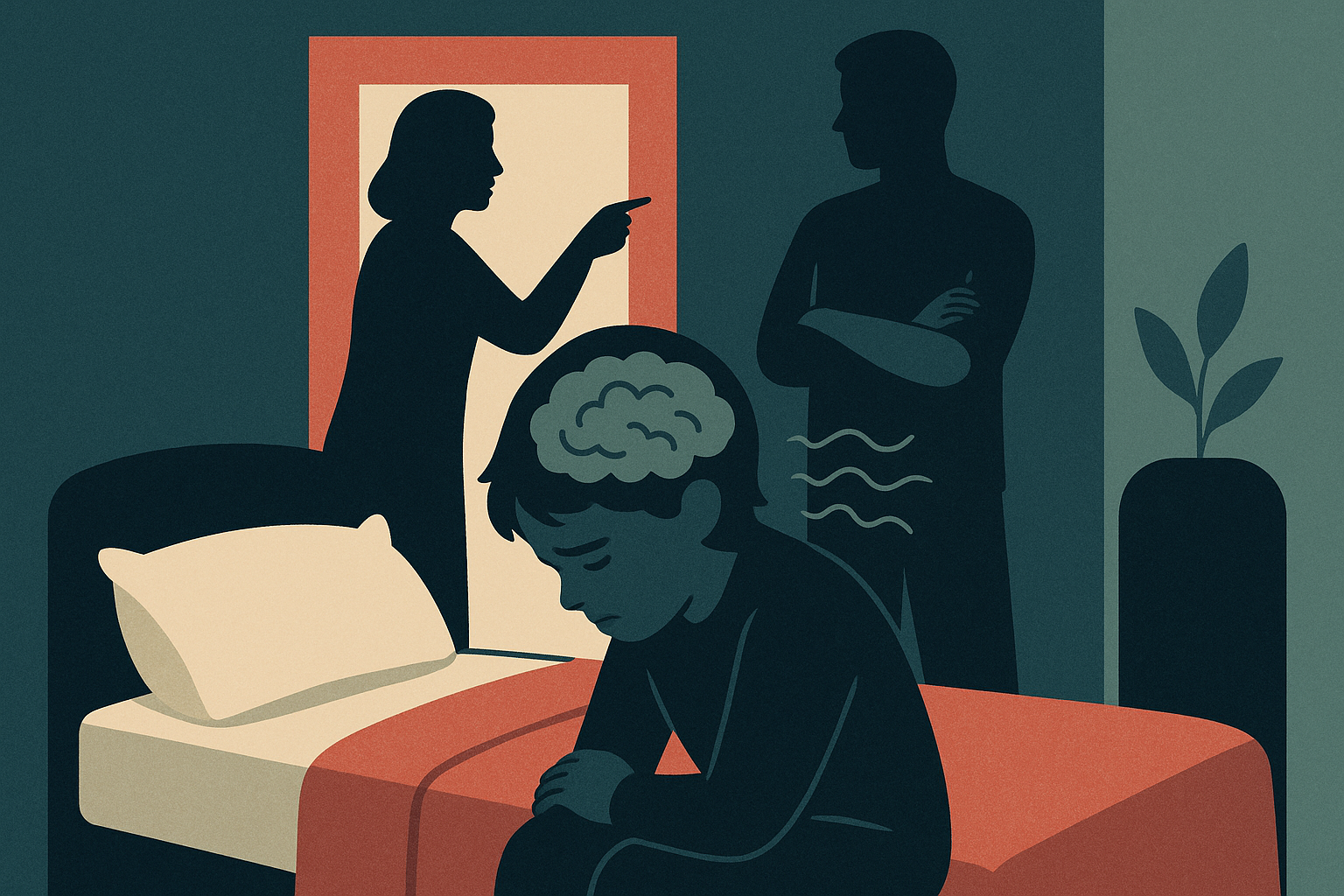
How Parents Unknowingly Sabotage Their Child's Mental Health
We often unknowingly sabotage our child's mental health through everyday actions. Learn how to recognize and gently support their emotional well-being.

Horizon by Wellnest
How Parents Unknowingly Sabotage Their Child's Mental Health
Summary of Issue
Sometimes, we don’t realize how our actions might quietly wear down our child’s emotional well-being. We might see our kids pulling away, feeling more anxious, or struggling with mood swings, and wonder where it all started. Maybe they’re suddenly less interested in things they used to love or having trouble sleeping. These signs often come wrapped in everyday moments—snapping more easily, avoiding conversations, or seeming overwhelmed by school or friendships. We could be unknowingly sabotaging their mental health without meaning to, just by how we respond or what we expect from them. It’s tough because these changes don’t always shout for attention; they creep in slowly. When we notice these shifts, it’s a chance to pause and reflect on what’s happening beneath the surface, even before we try to fix anything. Our kids’ feelings are real, even if they don’t always say so out loud.
Why might our kids seem distant or upset without clear reasons?
Sometimes, our children start acting differently—more withdrawn, anxious, or moody—and we wonder what changed. These shifts often reflect feelings they can’t easily explain or share. When we unknowingly sabotage their mental health, even small reactions or words can make them feel misunderstood or pressured. Our kids might avoid talking or lose interest in things they once loved because they’re trying to protect themselves from feeling judged or overwhelmed. These behaviors are signals from their inner world, showing us they need more patience and gentle listening, not quick fixes or dismissals. Can we catch these signs before they grow?
Why This Matters
What do we often get wrong about our child’s behavior?
We tend to think kids just need to “snap out of it” or “try harder.” Sometimes, we push for answers when they’re not ready to share. This can make them clam up or act out more. We might mistake their silence for defiance or laziness, missing the real struggles underneath. Our urge to fix things fast can actually block their chance to feel heard and understood. It’s tricky because we want to help, but we might unknowingly sabotage the trust they need to open up.
Mental Health Implications
How does our behavior affect our kids’ mental health over time?
When we unknowingly sabotage our children’s mental health, the effects can build up quietly but seriously. Kids might start feeling more anxious or sad without us realizing our role. The CDC Youth Risk Behavior Survey found that nearly one in five teens seriously considers suicide, showing how common these struggles are. Our reactions—like pushing too hard for answers or dismissing feelings—can make them shut down even more. They might feel alone or like they can’t be themselves around us. We want to help, but sometimes our attempts backfire, making their inner struggles worse instead of better. Catching these patterns early helps us change how we respond and support their well-being.
Professional Insight
- Start small by setting aside quiet time to just listen without jumping in with solutions. Let your child talk at their own pace.
- Notice your own reactions when they share. If you feel frustrated or rushed, pause and breathe before responding. We want to keep the door open, not slam it shut.
- Use simple, open questions like “What was the hardest part of your day?” instead of “Why are you acting like this?” It’s less pressure and more inviting.
- Create predictable routines that give your child a sense of safety. Consistent bedtimes, meals, and family check-ins help them feel grounded.
- Model healthy ways to handle stress. Share your feelings calmly and show that everyone struggles sometimes. This can make it easier for them to do the same.
When should we reach out for professional support?
If your child’s mood swings become extreme, or they start avoiding school and friends for weeks, it’s time to get help. Also, if they talk about hurting themselves or show sudden behavior changes, don’t wait. Contact a mental health professional who can guide us through next steps. Early support often prevents bigger struggles later.
How Horizon by Wellnest Can Help
Initial AssessmentClick here
When you reach out to Horizon by Wellnest, the first step is a thorough assessment to understand your child's unique needs. We spend time listening carefully, gathering insights about their emotional and behavioral patterns. This helps us avoid any chance of unknowingly sabotaging their mental health journey by tailoring the right support.
Tailored Therapy PlanBook a Session
After the assessment, we design a therapy plan that fits your child’s situation. This might include counseling or cognitive-behavioral therapy (CBT), depending on what suits them best. We adjust the approach as we go, making sure it feels manageable and supportive rather than overwhelming.
Parent Coaching & SupportBook a Session
We don’t just work with your child—we involve you too. Our parent coaching helps you understand how to create a positive environment and communicate in ways that encourage growth. This part is key to preventing any unintentional setbacks at home.
Follow-up Care
Our support continues beyond the sessions. We check in regularly to see how things are progressing and adjust our strategies as needed. It’s all about creating a lasting positive impact.
Citations: Parentingpatch.com (2026)
Internal Links
Take the Next Step
If you’re noticing changes in your child and worry that some habits might unknowingly sabotage their well-being, don’t wait to reach out. We’re here to listen and help figure out what’s going on beneath the surface. Call us this week to schedule a consultation. We’ll take the time to understand your family’s unique situation and work with you on steps that support your child’s mental health in a way that feels manageable and hopeful.
Contact UsHorizon by Wellnest Clinical Content Team
Our editorial team is composed of licensed therapists, counsellors, and mental health advocates committed to making quality psychological knowledge accessible to every family.
Disclaimer: This content is for educational purposes only