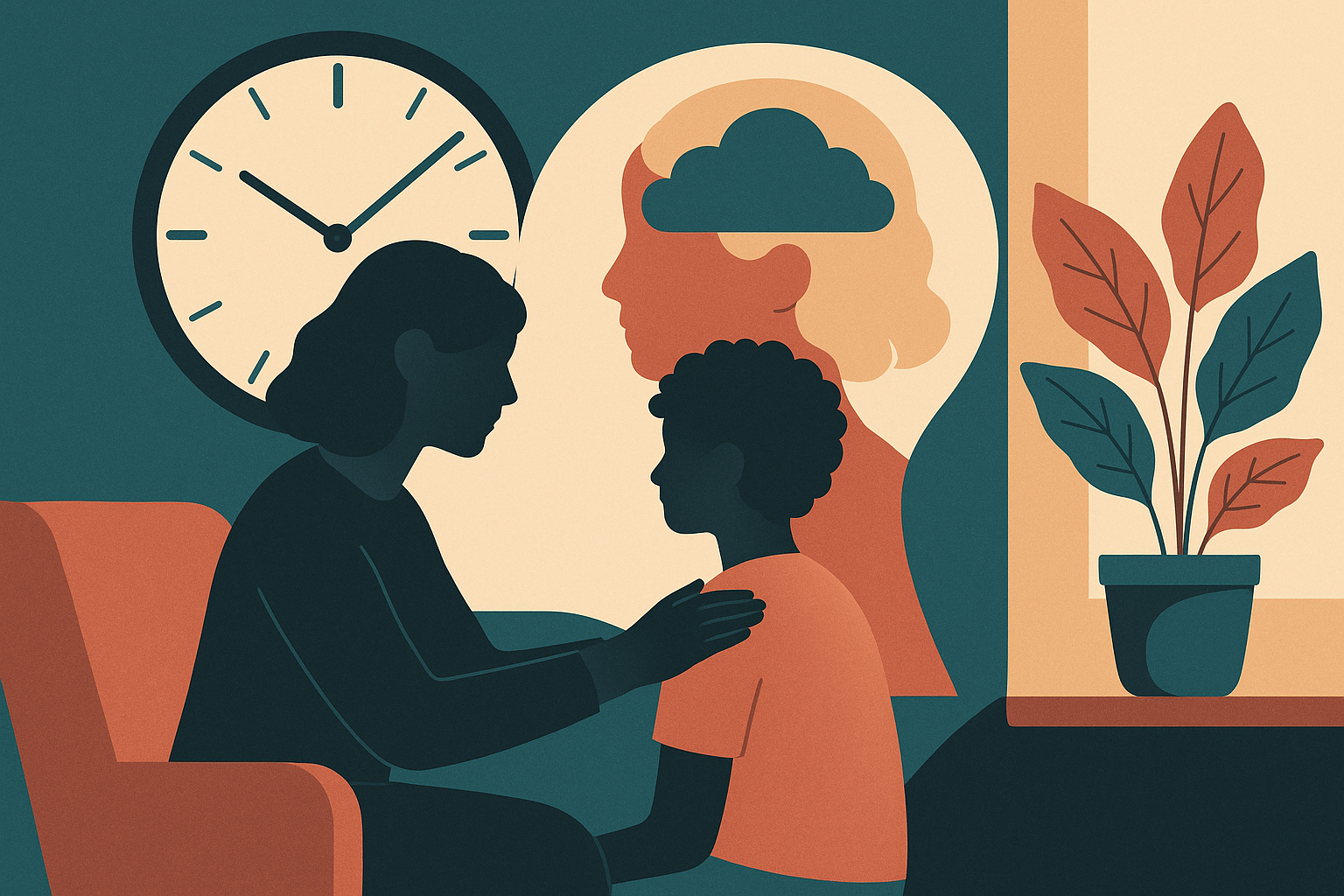
Give Yourself Time to Support Your Child’s Mental Health Journey
Give yourself space to notice changes in your child's mood and behavior. Learn how to support their mental health with patience and understanding.

Horizon by Wellnest
Give Yourself Time to Support Your Child’s Mental Health Journey
Summary of Issue
Sometimes, we notice subtle changes in our child's mood or behavior that just don’t seem to go away. Maybe they’re quieter than usual, pulling back from friends or activities they once loved. We might see them getting frustrated easily or having trouble concentrating at school. These shifts can feel confusing and even a little scary because they’re not always obvious, and we wonder what’s really going on inside their minds. It’s easy to want to fix things quickly, but we need to give ourselves permission to pause and really observe what our child is experiencing. Mental health isn’t always visible like a scraped knee, but those internal struggles can affect how they act, learn, and connect with others. When we pay attention to these early signs, we’re better able to support our kids through whatever they’re facing.
Why does my child seem different but won’t talk about it?
When our kids start acting withdrawn or less interested in things they used to enjoy, it’s easy to feel lost. We might see them get upset faster or struggle to focus, but they don’t tell us what’s going on inside. Those changes often come from feelings they can’t put into words yet.
Why This Matters
What do we often get wrong about our child’s behavior?
We tend to think our kids are just being lazy, defiant, or dramatic when they act out or shut down. That’s a common trap. Often, their behavior is a signal of deeper pain or confusion. We might expect quick fixes or clear answers, but mental health struggles don’t work that way. Instead of pushing harder, we need to give ourselves patience and listen without judgment. Our kids aren’t choosing to feel this way, and they might not have words for what’s inside. Misreading their actions can make them feel even more alone.
Mental Health Implications
How can we recognize when our child’s mental health is at risk?
When kids start pulling away or seem different, it’s often more than just mood swings. We might notice they get upset easily or lose interest in things they loved. These shifts can be signs of deeper struggles like anxiety or depression. The numbers tell us something worth paying attention to: nearly one in five young people experience a mental health disorder each year, according to CDC Youth Risk Behavior Survey data. That’s a lot of kids quietly facing tough feelings. We might feel the urge to fix things fast, but sometimes we need to give ourselves permission to watch closely and be patient. That way, we catch warning signs early and help our children feel safe enough to open up.
Professional Insight
- Try this: set aside a few minutes each day just to check in with your child. No pressure, no fixing—just listen.
- Notice patterns in their mood or behavior. Jot down when things get tough or better. This helps us see what’s really going on.
- Create a calm, predictable routine together. Even small things like regular meals or bedtime help kids feel safer and more grounded.
- Encourage physical activity or creative outlets. Movement and expression often ease tension and help kids process feelings.
- Model self-care yourself. When we show our kids how to manage stress, they learn it’s okay to struggle and take time to heal.
When should we reach out for professional support?
If our child’s sadness or anger lasts weeks without easing, or if they talk about hurting themselves, it’s time to get help. Also, sudden changes like withdrawing completely or dropping grades sharply signal we shouldn’t wait. If everyday tasks become overwhelming for them or us, a mental health expert can guide us through next steps. Don’t hesitate to ask for support when things feel too heavy.
How Horizon by Wellnest Can Help
Initial AssessmentClick here
When you reach out to Horizon by Wellnest, the first step is a thoughtful assessment to understand your child’s unique needs. We take time to listen and gather insights about their experiences, moods, and challenges. This helps us figure out the best way to support them without rushing or guessing.
Tailored Therapy PlanBook a Session
After that, we create a therapy plan that fits your child’s situation. Whether it’s counseling, cognitive behavioral therapy, or other approaches, we adjust our methods to match what works best. We’re flexible and responsive, making sure the process feels manageable for your family.
Parent Coaching & SupportBook a Session
We don’t just work with kids—we’re here for you too. Our parent coaching sessions offer practical tips and emotional support so you can feel confident helping your child at home. We want you to feel equipped, not overwhelmed.
Follow-up Care
Checking in regularly is part of how we keep progress on track.
Citations: InForum (2026)
Internal Links
Take the Next Step
If you're noticing changes in your child's mood or behavior that just won’t settle, don’t wait to act. Give yourself the chance to reach out and talk with us this week. We’re here to listen, to understand, and to help you figure out the best next steps. Scheduling a consultation is simple, and it’s a good way for us to start supporting your family with care that fits your child’s unique needs. Call us today, and we’ll get that first conversation on the calendar.
Contact UsHorizon by Wellnest Clinical Content Team
Our editorial team is composed of licensed therapists, counsellors, and mental health advocates committed to making quality psychological knowledge accessible to every family.
Disclaimer: This content is for educational purposes only