Chatbots Refilling Psych Meds: What Parents Should Know
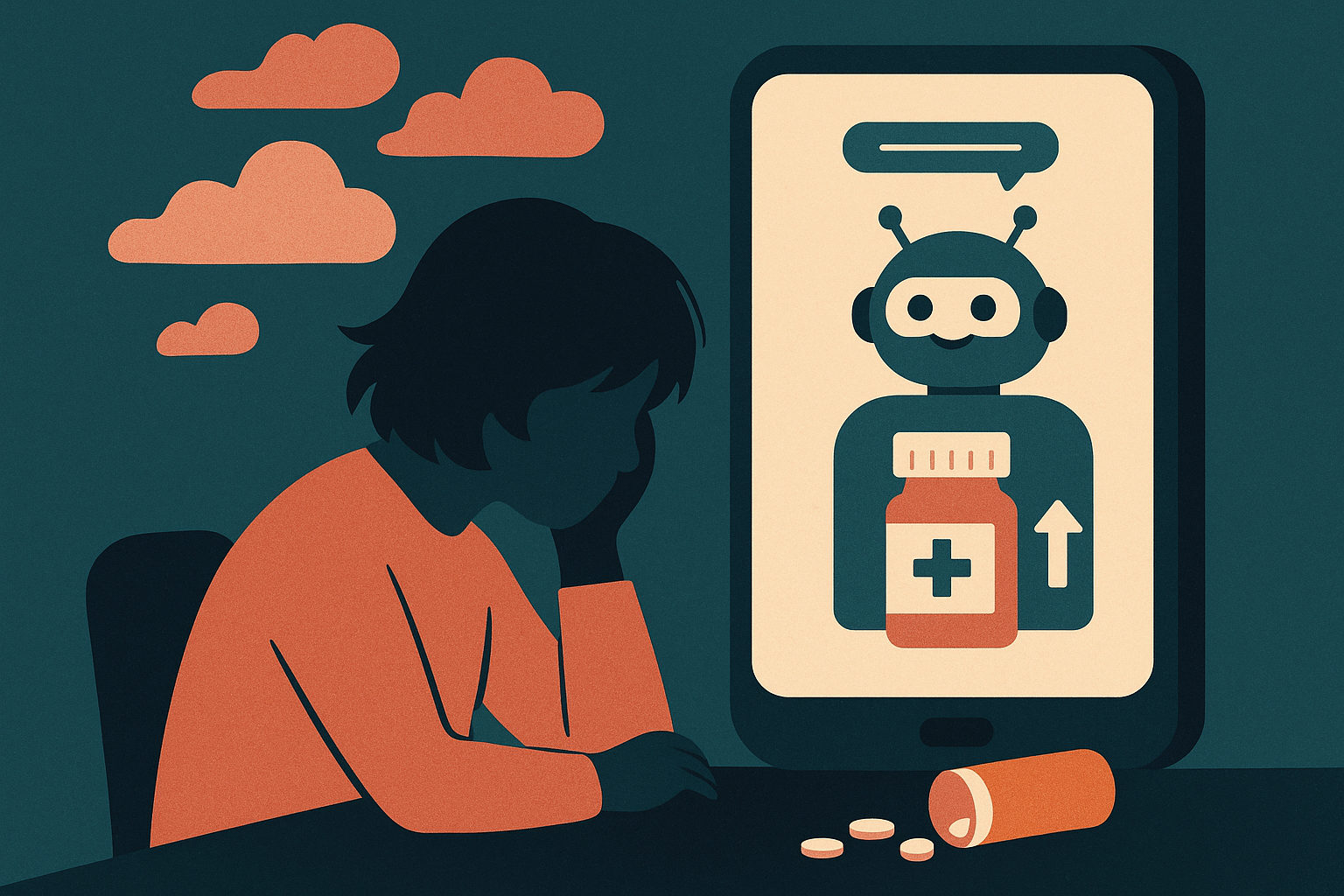
Chatbots refilling prescriptions can feel convenient but may miss subtle mood shifts in our kids. We explore what this means for their mental health care.

Horizon by Wellnest
Chatbots Refilling Psych Meds: What Parents Should Know
Summary of Issue
As parents, we sometimes notice subtle changes in our child’s mood or behavior that make us pause. They might seem more withdrawn, lose interest in activities they once enjoyed, or become frustrated without clear reasons. These shifts could also come with struggles related to sleep or appetite, or moments when they appear overwhelmed by feelings they can’t quite explain. We often find ourselves questioning whether their mental health is stable or if something's being overlooked. Now, imagine managing their medication refills through a chatbot instead of a familiar doctor or nurse. That’s what’s happening in some places, and it can feel unsettling. When our kids depend on medication to feel balanced, any alteration in how those meds are managed can increase our worry. We want to ensure they receive the right care, especially when their emotional well-being feels delicate.
How do we notice when our child’s mood shifts quietly?
Sometimes, our kids don’t share much about their struggles. We might see them pulling away from friends or losing interest in things they once loved. It’s these little signs that can tell us something's off.
Why This Matters
What do we often get wrong about medication refills?
Many of us think that refilling meds is just a quick, simple task. We might assume a chatbot can manage it just as well as a doctor. But it’s not only about counting pills. We often overlook how much we rely on those visits to discuss mood changes or side effects. The refill moment is often when we share what’s really happening. Without that, we might miss signs that our child needs a different dose or additional support. It’s not merely a transaction—it’s a chance to connect and adjust care.
Mental Health Implications
What mental health risks might we miss with automated refills?
When chatbots are refilling our child’s meds, we might lose the opportunity to catch early warning signs. Mood shifts, increased anxiety, or new sleep troubles can sneak up on us. Nearly one in five teens faces a mental health challenge, yet many don’t voice it. Without a human check-in, those subtle changes might go unnoticed. We know that regular, personal contact helps us spot when a treatment needs adjusting. Chatbots refilling prescriptions can’t ask how our child’s really feeling or notice if they seem off. That gap could mean delays in getting the right support, making it harder for us to help them stay steady. Sound familiar? It’s why many of us seek more than just a digital refill.
Professional Insight
- Keep a daily mood log with your child. Just jot down small changes you notice in energy, sleep, or attitude. This helps us spot patterns before things get tough.
- Set up weekly check-ins. Grab a quiet moment to ask how meds feel, if side effects pop up, or if anything worries them. No pressure—just open ears.
- Review medication routines together. Make sure pills are taken on time and stored safely. Kids often forget or resist, so gentle reminders work better than nagging.
- Talk with teachers or caregivers regularly. They see your child in different settings and might notice shifts we miss at home. Sharing info helps us all stay on the same page.
- Keep a list of questions or concerns ready before any refill or doctor visit. That way, we don’t forget important details when time feels short. Chatbots refilling meds don’t ask these questions, but we can.
When should we reach out for professional support?
If your child’s mood swings worsen quickly, or if they stop doing things they love, it’s time to act. Also, keep an eye out for signs like trouble sleeping, sudden anger, or withdrawal from friends. If meds seem less effective or side effects arise, don’t wait. Reach out to your doctor or therapist to review the treatment plan. Early help can prevent things from getting harder.
How Horizon by Wellnest Can Help
Initial AssessmentClick here
When you reach out to us at Horizon by Wellnest, we start by getting to know your child through a thorough evaluation. This helps us understand their unique needs and challenges before planning any steps forward.
Tailored Therapy PlanBook a Session
Next, we create a therapy approach that fits your family’s situation. Whether it’s counseling, cognitive behavioral therapy, or other support, we adjust the plan as your child grows and changes.
Parent Coaching & SupportBook a Session
We don’t just work with your child. We offer guidance and coaching to parents, helping you navigate any bumps along the way. This support makes a real difference, especially when managing medication routines or mood shifts.
Follow-up Care
Ongoing check-ins keep us connected and informed. We review progress, tweak therapy if needed, and ensure your family feels supported. Unlike chatbots refilling meds, we listen and respond to your concerns personally.
Citations: Fox News (2026)
Internal Links
Take the Next Step
We know managing your child’s mental health can feel overwhelming, especially with changes like chatbots refilling medications instead of familiar providers. If you’re unsure about how this shift affects your family, call us this week. We’ll set up a time to talk through your concerns, review your child’s current care, and figure out the best next steps together. You don’t have to navigate this alone—we’re here to help you feel confident and supported.
Contact UsHorizon by Wellnest Clinical Content Team
Our editorial team is composed of licensed therapists, counsellors, and mental health advocates committed to making quality psychological knowledge accessible to every family.
Disclaimer: This content is for educational purposes only