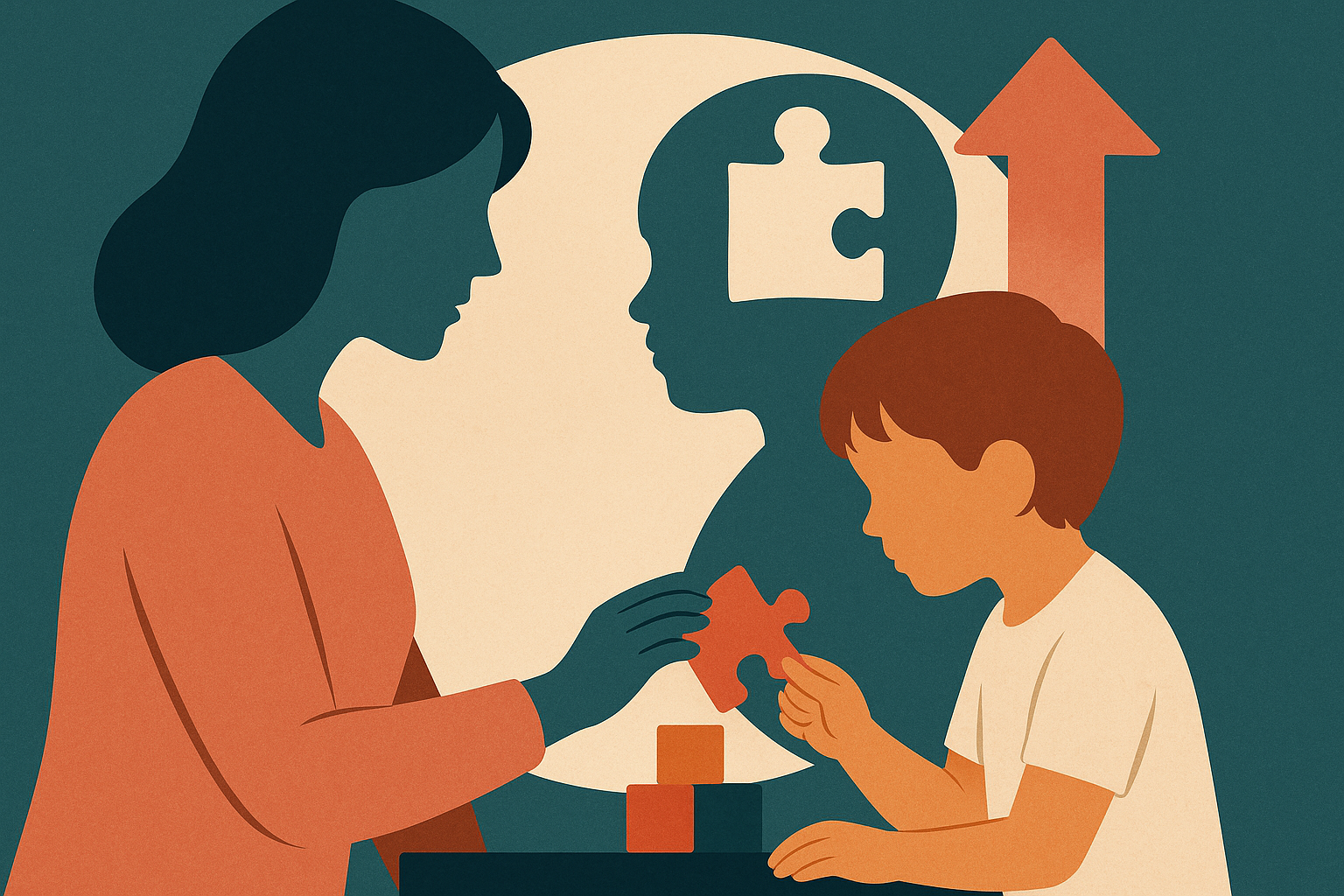
CDC Newsroom Reports Slight Rise in Autism Prevalence in Kids
The CDC Newsroom reveals a slight increase in autism prevalence, highlighting how families notice unique behaviors and seek support for their children.

Horizon by Wellnest
CDC Newsroom Reports Slight Rise in Autism Prevalence in Kids
Summary of Issue
When we notice our child isn’t connecting with others the way we expect, it can feel confusing and worrying. Maybe our little one avoids eye contact, doesn’t respond when called, or seems deeply focused on certain objects or routines. We often hear from families that these early signs can be subtle or easy to miss, especially since children develop at their own pace. Some kids might struggle with language or express themselves in unusual ways, making everyday moments feel more challenging for everyone. The CDC Newsroom recently shared data showing a slight increase in kids being identified with these behaviors, which really reflects how much more we’re paying attention now. When we see these patterns, it’s natural to wonder what’s going on and how to help our child feel understood and supported. These early observations are our first step toward getting the right kind of help.
Why This Matters
What do we often get wrong about our child’s behavior?
Sometimes, we think our child is just being stubborn or picky, but that’s not the whole story. Their resistance to change or quiet moments might be their way of coping with feeling overwhelmed. We might expect them to behave like other kids, missing how they experience the world differently. It’s easy to blame willpower when, really, they just need patience and understanding. We’re not alone in this—many parents find themselves puzzled before they connect the dots.
Mental Health Implications
How might our child’s mental health be affected by these differences?
When our child connects with the world in unique ways, their feelings and moods might also look different. Some kids with these traits may feel anxious or overwhelmed more often, even if they don’t always show it. The CDC Newsroom points out that nearly one in five children with these behaviors might also face challenges like anxiety or depression. We might notice changes in sleep, appetite, or mood swings that catch us off guard. It’s not always easy to tell what’s going on inside, but these feelings are real and deserve our attention. Our role is to watch closely and support their emotional well-being, helping them feel safe and understood. Sound familiar? Many families face this, and we’re here to help navigate it.
Professional Insight
- Try setting up a simple daily routine with our child. Outlining key activities like meals, homework, and playtime helps build predictability. Routines help reduce stress when things feel uncertain.
- Use clear, calm language when giving directions or explaining changes. We might say, “In five minutes, we’ll switch to reading time,” so our child can prepare mentally.
- Create a quiet corner at home where our child can retreat when feeling overwhelmed. Stock it with favorite books, soft toys, or noise-canceling headphones to help them recharge.
- Practice social skills in small, low-pressure settings. We can role-play greetings or taking turns, making these moments fun and pressure-free.
- Keep a journal of our child’s mood and behaviors. This helps us spot patterns and share useful info with teachers or therapists if needed.
When should we reach out for professional support?
If our child’s struggles with daily tasks or social interactions worsen or start to limit their happiness, it’s time to ask for help. Also, if meltdowns become more frequent or intense, or if they withdraw completely, we shouldn’t wait. Early guidance from specialists can give us tools to support our child better and ease family stress.
How Horizon by Wellnest Can Help
Initial AssessmentClick here
When we reach out to Horizon by Wellnest, we start with a thorough assessment to understand our child’s unique needs. This helps us figure out the best ways to support their growth and development. We listen closely to our concerns and observe how our child interacts with their environment.
Tailored Therapy PlanBook a Session
Next, we create a personalized therapy plan that might include counseling or cognitive-behavioral therapy (CBT). Our team works with our child at a comfortable pace, focusing on skills that matter most to our family. We adjust the plan as we learn what works best.
Parent Coaching & SupportBook a Session
We don’t just work with our child—we support us too. Parent coaching sessions give us tools to manage daily challenges and build routines that help reduce stress. We’re here to answer questions and guide us through each step.
Follow-up Care
After therapy sessions, we keep in touch with follow-up visits to track progress and tweak strategies if needed.
Citations: tools.cdc.gov (2018)
Internal Links
Take the Next Step
When you’re ready, call us this week and we’ll arrange a time to talk about what you’re seeing and how we might support your child’s unique needs. We’ll listen carefully and help figure out if an assessment makes sense, so you don’t have to navigate this alone. The CDC Newsroom’s latest insights remind us that early attention matters, and we’re here to guide you through the next steps with confidence and care. Don’t wait—reach out now, and we’ll take it from there.
Contact UsHorizon by Wellnest Clinical Content Team
Our editorial team is composed of licensed therapists, counsellors, and mental health advocates committed to making quality psychological knowledge accessible to every family.
Disclaimer: This content is for educational purposes only