Alone Minnesota: Supporting Our Kids’ Mental Health Together
Alone Minnesota moments can be tough for families. We explore how to recognize signs and support our children’s mental health with care and understanding.

Horizon by Wellnest
Alone Minnesota: Supporting Our Kids’ Mental Health Together
Summary of Issue
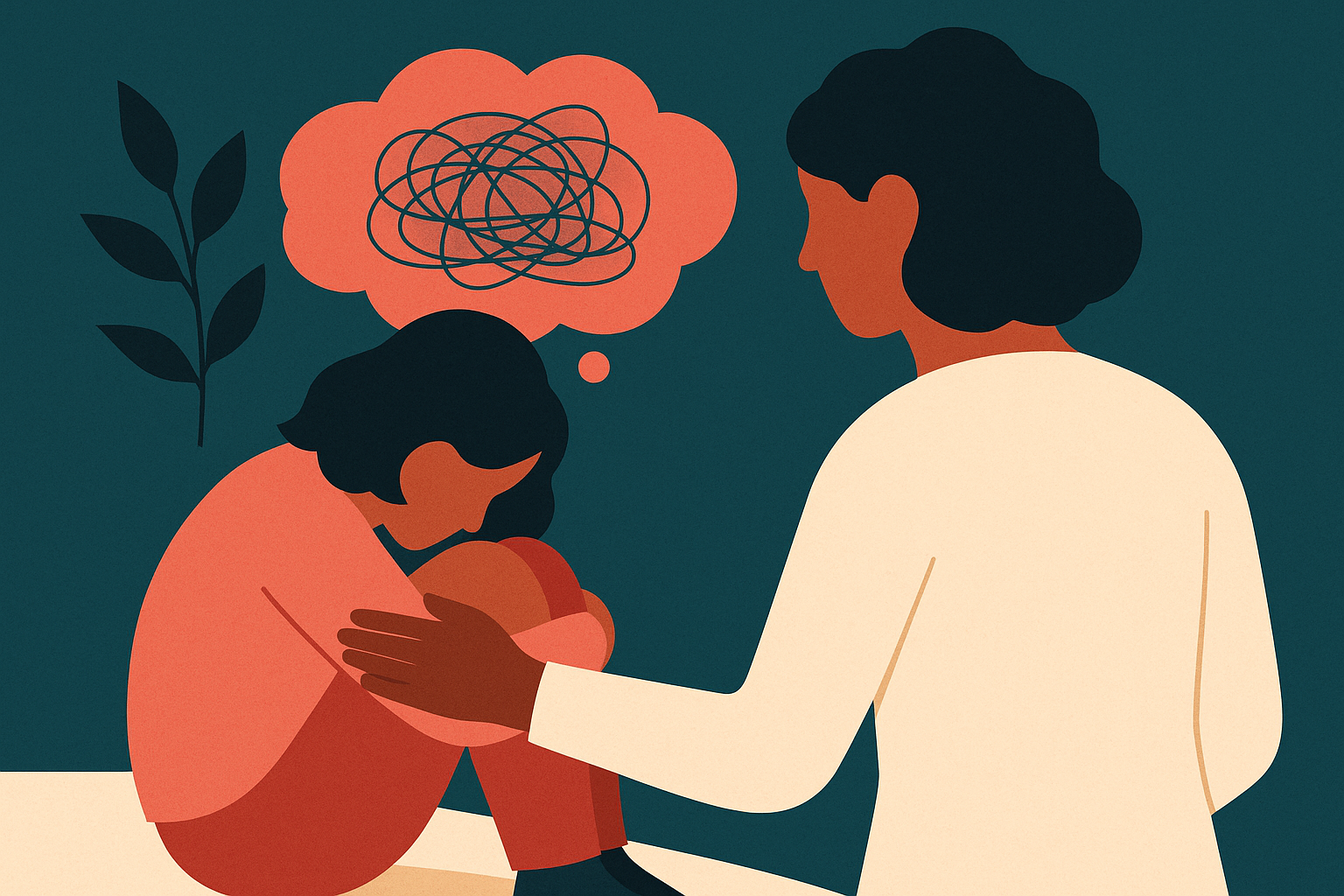
As parents, we often hear from others who feel their child is struggling but can’t quite pinpoint the issue. Maybe we’ve noticed changes in mood—more withdrawal, irritability, or sudden sadness that wasn’t there before. Sometimes our kids seem overwhelmed by school or social pressures, yet they don’t talk about it, leaving us worried and unsure how to help. When a child feels isolated or misunderstood, we can feel lost too. The experience of feeling alone Minnesota families face is real and often hidden behind quiet moments or shifts in behavior. We might see our kids pulling away from activities they once loved or having trouble sleeping and concentrating. These signs don’t always scream “mental health,” but they whisper that something needs our attention. Recognizing these subtle clues is where our awareness begins.
How do our kids show us they’re struggling inside?
Sometimes, the signs our children are having a hard time aren’t loud or clear. We might notice they’re quieter than usual or seem upset without a clear reason. Maybe they avoid friends or lose interest in activities they once loved. Sleep troubles or trouble focusing can sneak in too. Sound familiar?
Why This Matters
What do we often miss about our child’s mental health struggles?
We sometimes think our kids are just being moody or lazy when they’re actually overwhelmed inside. It’s easy to blame behavior on attitude or discipline problems. We might expect them to “snap out of it” or “just cheer up.” But mental health isn’t about willpower—it’s about what’s happening beneath the surface. When we misunderstand, we risk making our children feel even more alone. Alone Minnesota feelings can be invisible to us unless we look past the surface.
Mental Health Implications
How Feeling Alone Minnesota Kids Experience Affects Their Mental Health
When children feel alone, it often hits their mental health hard. We see more anxiety, sadness, and even trouble at school. The CDC Youth Risk Behavior Survey tells us about 1 in 5 teens seriously consider suicide, which is a stark reminder of how deep these feelings run. Kids who feel isolated might not say much, but their mood shifts or behavior changes speak volumes. Alone Minnesota isn’t just about being physically by themselves—it’s about feeling invisible or disconnected. When our kids carry this weight, it can affect their sleep, concentration, and even friendships. We might notice them pulling away or acting out, and that’s our cue to step in gently and listen.
It also helps to remember that isolation can look different at every age. A younger child might cling or melt down more easily, while a teen may retreat to their room or live entirely online. Neither is "bad behavior" — both are signals. The earlier we read them as signals, the sooner we can respond with warmth instead of correction.
Professional Insight
Try carving out small, regular moments to check in with your child. No pressure, just casual chats about their day or feelings. This builds trust and helps us catch worries early.
Notice and name emotions together. When your kid seems upset, say something like, “You look frustrated. Want to tell me about it?” That shows we’re paying attention and ready to listen.
Keep routines steady, especially around sleep and meals. Predictability helps kids feel safer when their emotions feel messy or overwhelming.
Encourage activities that let them express themselves—drawing, journaling, or movement. These outlets can ease tension and help us understand what’s going on inside.
Model healthy coping skills ourselves. When we manage stress openly and calmly, kids learn it’s okay to struggle and find ways to handle it.
Small steps add up. We don't have to fix everything in one conversation — what matters most is that our kids know the door is always open. Consistency beats intensity here. A calm, repeated "I'm here when you're ready" often does more than a single big talk. And when we slip up or lose patience, that's okay too; repairing after a tough moment teaches kids that relationships can bend without breaking.
When should we reach out for professional support?
If our child’s sadness or anxiety lasts weeks or starts interfering with school, friendships, or daily routines, it’s time to ask for help. Warning signs include talk of self-harm, withdrawal from family, or sudden behavior changes. Don’t wait until things feel overwhelming. Connecting with a counselor or mental health expert early can prevent struggles from deepening and give our kids the support they deserve.
How Horizon by Wellnest Can Help
Initial AssessmentClick here
When you reach out to Horizon by Wellnest, we start by getting to know your child through a thorough assessment. we start by getting to know their unique needs and challenges. We'll listen carefully to your concerns and gather insights to shape the best path forward.
Tailored Therapy PlanBook a Session
Next, we create a therapy plan that fits your child’s situation. Our goal's whether it’s counseling, cognitive-behavioral therapy, or other approaches, we'll adjust our methods to what works best. Our goal is to help your child build skills and find balance in their daily life.
Parent Coaching & SupportBook a Session
We don’t stop with your child. We offer guidance and coaching for parents, helping you understand what’s happening and how to support your child effectively. This partnership makes a big difference in managing tough moments at home.
Follow-up Care
After therapy sessions, we keep in touch. Follow-up visits let us check progress and tweak the plan if it's needed.
Citations: 5 EYEWITNESS NEWS (2026)
Internal Links
Take the Next Step
We know it’s tough to watch your child struggle quietly, and you don’t have to figure this out on your own. If you’re noticing signs that worry you, call us this week. We’ll set up a time to talk through what’s going on and explore the best next steps together. Our goal is to help your family feel less alone Minnesota families often do, with clear guidance and support tailored just for you.
Contact UsHorizon by Wellnest Clinical Content Team
Our editorial team is composed of licensed therapists, counsellors, and mental health advocates committed to making quality psychological knowledge accessible to every family.